

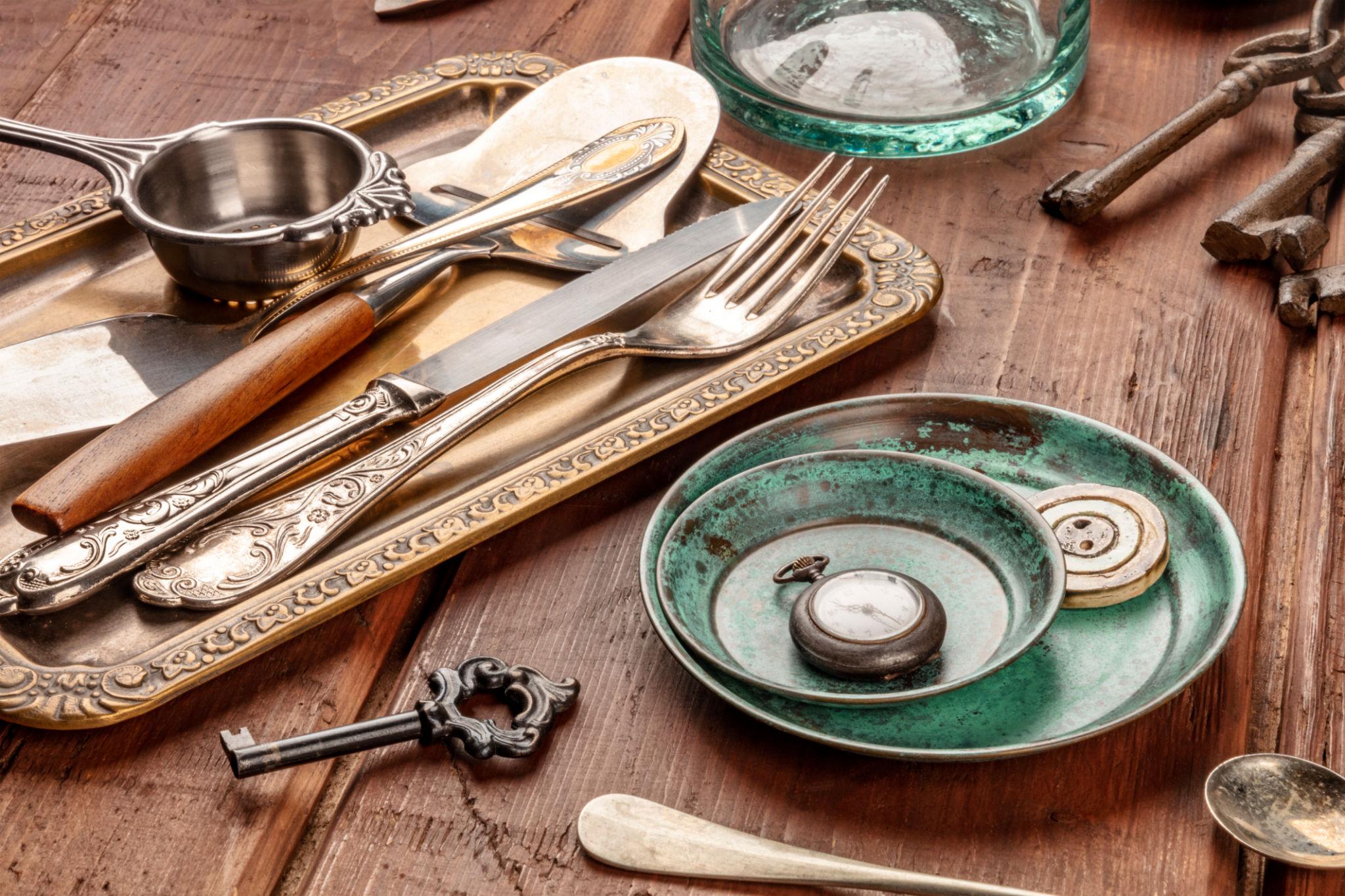
When we begin decluttering a home, especially one filled with years of memories and family belongings, it is easy to assume that anything we no longer need can simply be donated. Yet some of the things we pass over without a second thought may be worth far more than we realise. A forgotten jewellery box, an old piece of furniture or a collection tucked away in a cupboard could hold unexpected value.
Knowing what is valuable before donating can make a real difference when sorting through a home. An item that looks ordinary to us may be sought after by a collector, an antique dealer or someone who appreciates its history and craftsmanship. That does not mean every old possession is valuable, of course, but it is worth taking a little time to look more closely before letting things go.
In this first part of our Rustic Daisy three-part feature, we are exploring some of the items in our homes that deserve a second look, from jewellery and antique furniture to coins, watches, china and artwork. We will look at why these belongings may be worth investigating and what to consider before deciding whether to keep, sell or donate them.
If you are working through a home, helping an elderly parent downsize or preparing a loved one’s belongings after a loss, I hope this guide helps you approach the process with a little more confidence. There is no need to become an expert overnight. Sometimes, simply knowing what to pause over can help us make more thoughtful decisions.
One of the biggest misconceptions about valuable possessions is that they should look expensive. We tend to imagine antiques displayed in grand homes or precious objects tucked safely behind glass, when in reality, some of the most interesting finds are sitting quietly in an ordinary cupboard or gathering dust in the garage.
When we have lived with something for years, it can become almost invisible to us. That old wooden chair has always stood in the spare room, Grandad’s pocket watch has been sitting in a drawer for as long as anyone can remember and the dusty vase on top of the wardrobe has simply become part of the furniture. We stop seeing these things as objects that might have a story or value of their own.
This is particularly common when families are downsizing or clearing a home after the loss of a loved one. There may be so much to sort through that familiar belongings are quickly placed into donation boxes without anyone taking a closer look. What appears to be an ordinary item could, however, have been made by a sought-after craftsman, belonged to a particular period or become desirable to collectors.
Before you decide what to donate, take a little time to look more closely at items such as:
None of these items is automatically valuable simply because it is old. Their condition, maker, rarity and demand all play a part in determining what they may be worth. The point is not to turn every decluttering session into an antiques hunt, but to recognise when something deserves a second look before it leaves your home.
If there is one thing I would never rush through when decluttering a home, it is the jewellery. A small box tucked away in a drawer may not look particularly important, especially if the pieces inside are tangled, tarnished or no longer in fashion. Yet jewellery can hold both financial and sentimental value, and it is worth taking a little time to look more closely before deciding what to keep, sell or donate.
Many people assume that only beautiful, sparkling pieces are worth anything. In reality, a plain gold chain, a broken bracelet or a single earring may still have value because of the precious metal it contains. Older pieces may also have significance because of their age, maker, design or connection to a particular period. Costume jewellery should not automatically be dismissed either, as some vintage and designer pieces are sought after by collectors.
Before donating jewellery, look for hallmarks or stamps that may indicate the metal content. Common markings include:
These markings can be useful clues, but they are not a guarantee of authenticity or value. Some pieces may be unmarked, while others may have misleading stamps. If you are unsure, have the item assessed by a reputable jeweller or precious-metal specialist rather than relying on appearance alone.
It is also worth checking the places where jewellery can easily be forgotten. Look inside old jewellery boxes, sewing tins, handbags, bathroom drawers and small keepsake boxes. If you are clearing a family home, take extra care with items that belonged to parents or grandparents. A modest-looking brooch or a simple wedding band may mean far more to the family than its resale price could ever suggest.
And please do not assume that broken jewellery is worthless. A damaged gold chain or a single gold earring may still have precious-metal value. Before passing anything on, separate the pieces, take a few clear photographs and seek advice if you suspect they may be valuable. A few extra minutes spent checking can prevent a very regrettable donation.
Furniture is one of those things we can become surprisingly quick to dismiss when we are decluttering. That old wooden dresser may no longer suit the bedroom, the dining table might feel far too large for a modern home and Grandad’s favourite chair may have seen better days. When something looks dated or has a few scratches, it is tempting to assume that it has little value and send it straight off to a charity shop.
But before you do, take a closer look. Older furniture can sometimes be worth considerably more than we realise, particularly when it has been well made, retains its original features or comes from a sought-after maker or period. A piece does not need to look pristine or belong in a grand country house to deserve a second look.
When checking older furniture, look for clues such as solid hardwood construction, hand-cut dovetail joints, original brass handles, maker’s labels or a cabinetmaker’s stamp. These details may help identify how and when a piece was made. However, they are clues rather than guarantees. Dovetail joints, for example, have been used for centuries and can appear in both valuable antiques and more ordinary furniture.
It is also worth checking whether the furniture has been altered over the years. Original fittings, finishes and craftsmanship can sometimes contribute to its appeal, while later repairs or modifications may affect its value. Try not to strip, repaint or heavily clean a potentially antique piece before having it assessed. A well-intentioned makeover could remove features that a collector or specialist would have wanted to preserve.
If you are unsure about a piece, take clear photographs of the front, back, underside, joints and any labels or markings. A reputable antique furniture dealer, auction house or qualified valuer may be able to help you identify it and advise whether a formal valuation is worthwhile.
And remember, not every old piece of furniture will sell for a fortune. Market demand, condition, style, size and the cost of transporting bulky items all influence what a buyer may be prepared to pay. The aim is simply to avoid giving away something potentially special before you have had a chance to understand what you own.
Old coins and banknotes are easy to overlook when clearing a home. They may be tucked into an old purse, stored in a tin on a bedroom shelf or sitting in a drawer alongside buttons, keys and other odds and ends. Sometimes, they have been passed down through generations, with nobody quite sure where they came from or whether they are worth anything.
Before donating them, take a little time to sort through what you have. Coins and banknotes can sometimes be worth more than their face value, particularly if they are rare, have a limited mintage, contain precious metals or are sought after by collectors. However, an old date does not automatically mean a coin is valuable. Condition, rarity and collector demand all play a part.
Here in South Africa, you may come across older South African coins, pre-decimal coins, commemorative issues or banknotes from a previous era. Some may have numismatic interest, while others may be quite common. If you find foreign currency, unusual designs or coins that look different from those you remember using, it is worth keeping them separate until you know more.
When examining coins and banknotes, look for:
Try not to polish, scrub or clean old coins. Even when they look dull or tarnished, cleaning can damage their surfaces and may reduce their appeal to collectors. Handle them gently and store them somewhere dry while you investigate.
If you suspect you have something unusual, ask a reputable coin dealer or numismatic specialist for guidance. You can also compare the item with reliable coin catalogues, but be cautious when looking at online asking prices. A seller’s advertised price is not necessarily what an item has actually sold for.
You do not need to research every ordinary coin in a jar. The important thing is to set aside anything unusual or potentially collectible before donating the rest. A small amount of checking could help you avoid parting with something that deserves a closer look.
Watches are another item I would never rush to donate when sorting through a home. An old watch may look worn, outdated or completely beyond repair, but that does not necessarily mean it has no value. Some vintage watches are sought after by collectors, while others may contain valuable materials or have an interesting history behind them.
Of course, not every old watch is a hidden treasure. Its value can depend on the manufacturer, model, age, condition, originality and whether there is demand for that particular design. A watch that has stopped working may still be worth investigating, especially if it comes from a recognised maker or has been passed down through the family.
Names such as Rolex, Omega, Longines and Seiko are familiar to many watch enthusiasts, but there are also lesser-known manufacturers with collectible models. The brand name alone is not enough to establish value, so try to identify the exact model rather than relying on the name printed on the dial.
Before donating an old watch, take a closer look at the following:
If the watch belonged to a parent or grandparent, it may be worth asking family members whether they know anything about its history. A watch that was bought for a special occasion or handed down through generations can carry a story that is just as meaningful as its possible resale value.
If you suspect that a watch may be valuable, have it assessed by a reputable watch specialist before attempting repairs or replacing parts. Avoid polishing the case or making changes until you know whether they could affect its value. Original components can be important to collectors, and an unnecessary repair may not be worthwhile.
Even if the watch turns out not to have significant financial value, it may still be something the family wishes to keep. The aim is not to turn every old possession into money, but to make an informed decision before passing it on.
China and crystal are often tucked away in display cabinets, dining room dressers and kitchen cupboards, waiting for a special occasion that may never quite arrive. Many of us grew up with a beautiful tea set that only came out when visitors arrived, or crystal glasses that were carefully washed and returned to the cabinet after Christmas lunch. When it comes time to declutter, it can be tempting to donate these things simply because we no longer use them.
Before doing so, take a closer look. Certain china patterns, discontinued dinnerware, fine porcelain and older crystal pieces can attract collectors. However, not every vintage tea set or glass bowl is valuable. Demand, condition, rarity and the manufacturer all influence what a piece may be worth.
One of the most useful things to check is the maker’s mark. Turn plates, cups, serving dishes and ornaments over and look for a name, stamp, symbol or pattern number on the underside. These markings may help you identify the manufacturer and the collection. Names such as Royal Albert, Royal Doulton, Wedgwood, Spode and Waterford Crystal are familiar to collectors, although the value of individual pieces can vary considerably.
When sorting through china and crystal, look out for:
Condition is particularly important. Check carefully for chips, cracks, crazing, repairs or missing pieces. A set that has been kept together and remains in excellent condition may attract more interest than a collection of individual pieces, although some rare or unusual items can still be desirable on their own.
If you come across something that looks promising, take clear photographs of the maker’s mark and the item itself. Compare it with reputable specialist sources or ask an established antiques dealer or auction house for advice. Be cautious about online asking prices, as the amount a seller hopes to receive is not necessarily what buyers are actually paying.
And please do not feel that everything must be sold simply because it may have value. A tea set that belonged to your mother or crystal glasses used at family celebrations may hold memories that cannot be measured in money. The purpose of checking is to give yourself the information you need before deciding whether to keep, sell, pass down or donate these treasured pieces.
Artwork is often one of the most overlooked categories when decluttering a home. A painting that has hung above the fireplace for years or a framed print that has been sitting in the spare bedroom may feel like an ordinary part of the house. When we begin clearing cupboards and preparing items for donation, it can be tempting to take these pieces down and pass them along without giving them much thought.
Yet artwork can sometimes be more valuable than it appears. Even if a painting is not by a famous artist, it may have been created by a respected local artist whose work has a following. Certain prints, limited editions and older artworks can also attract collectors. The challenge is knowing what you are looking at before making a decision.
Before donating artwork, take a few moments to examine it carefully. Look for an artist’s signature, usually near the bottom of the painting, and check the back of the frame for labels, gallery stickers, exhibition details or handwritten notes. These small clues may help establish who created the piece, where it came from and whether it has a history worth investigating.
Here are a few things worth checking:
Here in South Africa, it is also worth paying attention to works by local artists. A painting does not need to be internationally famous to have a market, and some artists develop a strong following among collectors over time.
If something catches your eye or you discover a signature you do not recognise, take clear photographs of the artwork and any markings on the back. A reputable art dealer, auction house or qualified art valuer may be able to help identify it. Be cautious about assuming that an artwork is valuable simply because a similar-looking piece is advertised online, as asking prices do not necessarily reflect completed sales.
One important thing to remember is not to clean, repaint or reframe a potentially valuable piece before seeking advice. Well-intentioned improvements can sometimes affect its condition or remove information that may be useful in identifying it.
And if the artwork turns out to have little financial value, that does not mean it has no place in your family’s story. A painting chosen by your parents, a print brought home from a special holiday or a piece that has hung in the family home for decades may still be worth keeping for sentimental reasons. The goal is simply to make an informed decision before letting it go.
When we are sorting through a home, it is easy to focus on what we no longer need and how quickly we can clear the space. But as we’ve explored in this first part of What Is Valuable Before Donating?, some belongings deserve a little more attention before we decide where they should go. Jewellery tucked away in a drawer, an old watch or a piece of antique furniture may have a story and a value we never suspected.
Of course, not everything old is valuable, and not every item needs to be sold. Sometimes the greatest value lies in the memories attached to it, while other pieces may find a wonderful new home through donation. The important thing is to give ourselves enough time to make informed decisions rather than rushing through the process.
If you are helping a parent downsize, preparing a family home for sale or simply making room for a new chapter, I hope this first part has encouraged you to look a little closer before letting things go. A careful second look can sometimes make all the difference.
And we have only just begun. In Part 2: Everyday Items That Could Be Worth More, we’ll explore more surprising finds, including old books, silver, vintage toys, vinyl records, cameras and other everyday items that may be worth investigating before donating.
Look for clues such as age, condition, maker’s marks, signatures, materials and rarity. Compare the item with similar pieces that have actually sold, rather than relying only on asking prices. If something looks unusual or potentially valuable, consider having it assessed before donating it.
Yes, particularly if it contains gold, silver, gemstones or pieces you know little about. Even jewellery that looks dated or damaged may have material or resale value. A reputable jeweller or independent valuer can help you understand what you have.
No. Age alone does not guarantee value. The maker, style, condition, craftsmanship and demand all play a role. Before donating an older piece, check for labels, stamps or other identifying marks and compare it with similar items.
Some are sought after by collectors, but many are worth only their face value or a small amount above it. Rarity, condition, age and demand matter. Avoid cleaning old coins, as this can reduce their collector value.
It can be, especially when the maker, pattern or set is sought after and the pieces are in good condition. Look for marks on the base and research the exact pattern. A complete set is not always more valuable than individual pieces, so check before donating.
If the artwork is signed, unusually old or has a known history, it may be worth investigating. A signature alone does not guarantee value, but it can help with research. An art specialist or reputable auction house may be able to advise you.
Depending on the item, you could approach a reputable jeweller, antique dealer, specialist appraiser or auction house. Ask about valuation fees and whether the person has experience with that particular type of item. If you are considering selling, remember that a valuation and an actual offer may differ.
When we’re sorting through a home, sometimes a few simple things can make the process a little easier. Whether you’re taking a closer look at an old piece of jewellery, keeping family photographs safe or carefully setting aside something fragile, having the right tools to hand can be helpful.
I’ve included a few items below that may be useful as you work through your belongings. You certainly don’t need to buy everything on this list. The idea is simply to have a few practical options available if they suit your needs.
🌿 A little note about my Amazon links
Some of the products I recommend on Rustic Daisy are linked to Amazon. These are affiliate links, which means that if you choose to purchase something through one of my links, I may receive a small commission at no additional cost to you. This helps support Rustic Daisy and allows me to continue creating useful content for you.
As an Amazon Associate I earn from qualifying purchases.
A quick note for my lovely South African readers 🇿🇦
Amazon links can be useful for readers who already shop through Amazon in their own country. Unfortunately, there isn’t currently a South African Amazon shopping site, so international shipping charges, import duties or other fees may apply when ordering from Amazon.
These additional costs can sometimes make an otherwise reasonably priced product considerably more expensive, so please check the final price, delivery costs and any additional charges before placing your order.
I’m working on finding local alternatives! 🌿
I’m always on the lookout for lovely, practical alternatives that are available right here in South Africa. When I find something suitable, I’ll gladly share it with you so that our local readers have options that are easier and more affordable to find.
I only recommend products that I genuinely believe are useful, relevant and worth considering. I’m not here to fill my pages with links simply for the sake of earning a commission.
Thank you for supporting Rustic Daisy, whether you’re reading from South Africa or somewhere else in the world. Every visit, share, click and purchase helps my little corner of the internet continue to grow. 🌼
South African readers: your local alternatives are coming! 🇿🇦🌿
Sometimes, the smallest details can tell us quite a lot about an item. A little magnifier can help you take a closer look at jewellery hallmarks, maker’s marks and other tiny details that are easy to miss with the naked eye. It may also come in handy when examining old coins or other small collectables.
View the jewellery loupe on Amazon
If you’ve come across old silver or jewellery while sorting through a drawer or jewellery box, you may be tempted to give everything a good polish. A cleaning kit can be useful for suitable pieces, but do take a moment to identify the material first. Some older or delicate items are best left as they are until you’ve established whether they need specialist care.
View the silver and jewellery cleaning kit on Amazon
Important family papers have a way of gathering in all sorts of places, from desk drawers to old handbags and forgotten files. A dedicated document organiser can help keep things such as insurance papers, passports and other important records together while you’re sorting through a home.
View the document organiser on Amazon
If you’ve discovered jewellery, coins, watches or other small valuables that you aren’t quite ready to part with, having a secure place to keep them can offer some peace of mind. A home safe may be worth considering for belongings you want to keep together while you research their value or decide what to do with them.
Old family photographs are often among the things we find when clearing a home, and they can be surprisingly difficult to sort through. A photo album offers a lovely way to bring favourite photographs together, keeping those special memories organised and easier to enjoy or share with family.
Not everything we uncover while decluttering needs to be sold or donated. Sometimes it’s a handwritten letter, a little trinket or a handful of photographs that we’d simply like to keep. A keepsake box can give these meaningful pieces a home without allowing them to become scattered throughout the house.
View keepsake memory boxes on Amazon
When you’re sorting through a home, it’s not unusual to come across fragile china, crystal, ornaments or other breakable pieces. A little bubble wrap can be useful for cushioning these items while you’re moving them, storing them temporarily or taking them somewhere to be assessed.
If you’re working through several rooms, it can help to keep items separated while you decide what to do with them. Clear storage bins make it easier to see what’s inside, whether you’re setting aside things to keep, items that need further research or belongings waiting for a new home.
View clear storage bins on Amazon
If you’re working through a home and wondering what to keep, sell or donate, there’s more to explore in this Rustic Daisy series. Each part looks at different belongings and offers a little guidance to help you make thoughtful decisions before letting things go.
– Part 2: Everyday Items That Could Be Worth More – Discover why books, silver, military memorabilia, vintage toys, vinyl records, cameras, sewing machines and kitchenware may be worth investigating.
– Part 3: Researching, Selling and Making Wise Decisions – Learn more about professional valuations, items that are usually safe to donate, sentimental value and making considered decluttering decisions.
May we always remember that the things we let go of can find new purpose, while the memories we cherish remain with us. 🌼
With Love