

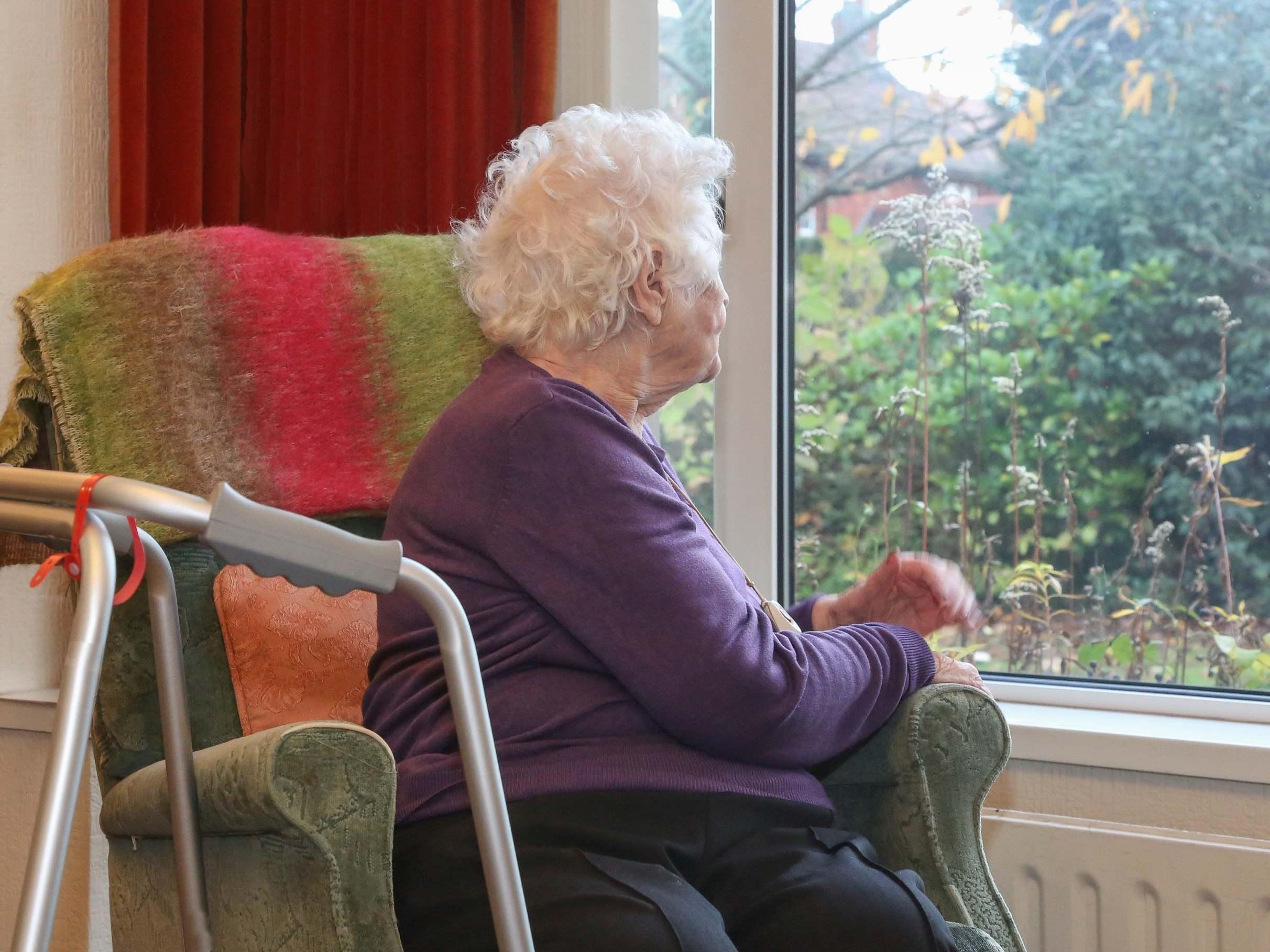
When someone you love is diagnosed with dementia one of the first questions that often comes to mind is this:
“What happens next?”
I remember asking exactly that question when dementia entered my family. Like many people I wanted a clear roadmap. I wanted to know what changes to expect and how quickly they might happen.
The reality is that dementia affects every person differently. No two journeys are exactly the same. Some people progress slowly over many years while others experience more noticeable changes within a shorter period.
Even so understanding the commonly recognised stages of dementia can help families feel more prepared and less overwhelmed.
This guide explains the 7 stages of dementia explained simply. It is designed to help families recognise changes understand what may lie ahead and provide support with greater confidence and compassion.
A note about the seven-stage model: The seven stages described in this article are based on the Global Deterioration Scale, sometimes called the Reisberg Scale. It is a framework used to describe changes in cognitive and everyday functioning, particularly in Alzheimer’s disease. It is not a timetable and it cannot predict exactly what will happen to an individual person. Dementia affects everyone differently, and some symptoms may appear earlier, later or not at all. Some organisations instead describe dementia more broadly as early, middle and late stage.
A gentle reminder: If you are worried about changes in someone’s memory, thinking, behaviour or ability to manage everyday life, the stages in this article should not be used to diagnose them or decide what stage they are in. A healthcare professional can assess the person’s symptoms and circumstances properly.
Before exploring the stages it helps to understand that dementia is not a single disease.
Dementia is a term used to describe symptoms affecting memory, thinking, communication and daily functioning.
Conditions such as Alzheimer’s disease, vascular dementia, Lewy body dementia and frontotemporal dementia can all cause dementia symptoms.
The seven-stage model is commonly used to describe how cognitive decline may progress over time. It provides a useful framework but should never be viewed as an exact prediction of what any individual will experience.
At this stage there are no noticeable problems with memory, thinking or everyday functioning. The person appears cognitively healthy and there is no obvious reason for family members or healthcare professionals to suspect dementia.
This stage is included in the seven-stage model because the scale describes a progression from normal cognitive functioning through to severe impairment. It does not mean that everyone in Stage 1 has dementia or will go on to develop it.
This stage often looks like ordinary ageing.
Someone may occasionally:
These incidents happen to most of us from time to time.
Some people may begin noticing small changes in their memory, but these can be difficult to distinguish from ordinary forgetfulness. At this stage, the changes may not be obvious to family members or noticeable on routine assessment.
At this point family members usually do not suspect dementia.
This can be the stage when family members begin noticing that something seems different, although the changes may still be subtle.
Common signs include:
Work performance may begin to suffer and managing complex tasks can become more challenging.
A person may remain largely independent, although more demanding work, social situations or unfamiliar tasks can become increasingly difficult.
This is often when families first seek medical advice.
By this stage symptoms become more noticeable.
This is often the point at which changes in everyday functioning become more obvious and support may be needed with increasingly complex tasks.
The person may experience:
I have seen how upsetting this stage can be because the person often remains aware that something is changing.
Anxiety, embarrassment and frustration may become more common.
Support from family and healthcare professionals becomes increasingly valuable.
At this stage assistance with daily living becomes more necessary.
The person may:
Memory gaps become more apparent. The amount of help needed can vary considerably from one person to another.
Even so, many individuals still recognise family members and continue participating in meaningful conversations.
Maintaining routines can provide comfort and reduce confusion.
This stage often presents significant challenges for both the individual and caregivers.
Symptoms may include:
Everyday tasks such as bathing, dressing and eating may require assistance.
Some people experience anxiety, suspicion or agitation.
Others become quieter and more withdrawn.
This stage can be particularly difficult for families as changes in memory, behaviour and independence become more noticeable.
The final stage involves profound physical and cognitive impairment.
A person may:
Even when spoken communication becomes very limited, familiar voices, music, touch and gentle companionship may still provide comfort and connection
Families often discover that small moments of connection become especially precious during this stage.
One of the most common questions families ask is how long each stage lasts.
Unfortunately there is no simple answer. The seven-stage model should not be used to calculate how long someone has left or to predict a person’s future with any certainty.
Some individuals live with dementia for many years while others progress more rapidly.
Factors that can affect how dementia progresses and how much support someone needs include:
Because every situation is unique, it is usually more helpful to focus on current needs rather than trying to predict an exact timeline.
It can be tempting to look at the seven stages like a checklist and try to work out exactly where someone fits.
Real life is rarely that tidy.
A person may have difficulty with one particular ability while continuing to manage another surprisingly well. Some symptoms may appear earlier than expected, while others may not occur at all. The stages can overlap and the progression can look different depending on the type of dementia and the individual person.
This is why the stages are best viewed as a general framework rather than a strict roadmap. The more useful question is often not “What stage are we at?” but “What does this person need help with right now?”
While symptoms change over time certain approaches remain helpful throughout the journey.
Predictable routines often reduce anxiety and confusion.
Allow the person to do as much as they safely can for themselves.
Breaking activities into smaller steps can make them more manageable.
Speak clearly, use simple language and allow extra time for responses.
Remove hazards, improve lighting and make navigation around the home easier.
Caregivers need support as much as the person living with dementia.
Accepting help is not selfish. It helps sustain your ability to care for someone else.
Many articles focus solely on symptoms and stages.
What they often overlook is the emotional reality for families.
Watching someone you love change can be heartbreaking.
There may be moments of sadness, frustration, grief and uncertainty.
There may also be moments of laughter, connection and unexpected joy.
A dementia diagnosis does not erase a lifetime of memories, relationships and love.
The person remains far more than their condition.
Focusing on abilities rather than losses can help families find meaningful ways to connect at every stage.
Understanding the seven stages of dementia can help families prepare for the future.
It provides a framework for recognising changes and planning support as needs evolve.
Yet no chart or timeline can fully capture the experience of an individual person.
Every journey is unique.
Every family faces different challenges.
Every stage contains opportunities to show kindness, patience and love.
When someone you care about is living with dementia the future may feel uncertain. Taking things one day at a time often proves far more manageable than trying to carry the weight of every possibility at once.
The road may not be easy but families do not have to walk it alone. With support, knowledge and compassion it is possible to navigate each stage with greater confidence and understanding.
The seven stages of dementia describe how memory, thinking and daily functioning may change over time. They range from no noticeable impairment to very severe cognitive decline where a person requires full-time care. Not everyone progresses through the stages at the same pace and some symptoms may vary depending on the type of dementia.
There is no set timeline. Some people live with dementia for ten years or longer while others experience more rapid progression. Factors such as the type of dementia, overall health, age and access to medical care all influence how quickly symptoms develop.
Not necessarily. The seven-stage model is a helpful guide rather than a strict rule. Every person’s journey is unique and symptoms may overlap or progress differently depending on the underlying cause of dementia.
The first stage in the seven-stage model involves no noticeable problems with memory, thinking or everyday functioning. It does not mean that a person has dementia or that they will necessarily develop dementia. It is included in the Global Deterioration Scale because the framework describes a progression from normal cognitive functioning through to severe impairment.
Early signs can include:
Occasional forgetfulness is a normal part of ageing, but persistent or worsening symptoms should be discussed with a healthcare professional.
Yes. There is no rule that someone must reach a particular stage before dementia can be diagnosed. Some people are assessed and diagnosed when symptoms are still relatively mild, while others may not seek help until changes in everyday life have become more obvious.
The timing depends on the person’s symptoms, how they affect daily life, the type of dementia involved and when an assessment takes place.
Some treatments and lifestyle measures may help manage symptoms, maintain abilities or support overall health, depending on the type of dementia and the individual person. Some Alzheimer’s treatments can also slow the worsening of symptoms for certain people. However, there is currently no cure for most types of dementia, and treatment should be discussed with a healthcare professional.
Simple ways to provide support include:
Most importantly, remember that the person is far more than their diagnosis.
The need for full-time care varies from person to person. Many individuals require increasing assistance during Stages 6 and 7 when memory loss, mobility challenges and personal care needs become more significant. Families should regularly assess safety and consult healthcare professionals when additional support is needed.
Dementia is an umbrella term used to describe a group of symptoms that affect memory, thinking and daily functioning. Alzheimer’s disease is the most common cause of dementia, but other conditions such as vascular dementia, Lewy body dementia and frontotemporal dementia can also lead to dementia symptoms.
Absolutely. Although dementia changes many aspects of daily life, people living with the condition can continue to experience happiness, love, comfort and meaningful connections. Favourite music, familiar routines, shared meals and time with loved ones can bring joy at every stage of the journey.
Some forms of dementia have a genetic component, but having a parent or other close relative with dementia does not mean that you will definitely develop it. The level of inherited risk depends on the type of dementia and the particular genetic factors involved. If you are concerned about your family’s history, discuss it with a healthcare professional.
If you are trying to understand dementia or support someone you love, it is worth looking beyond one article and using information from established dementia and health organisations as well.
The National Institute on Aging provides clear information about dementia symptoms, different types of dementia and how dementia is diagnosed. It is a useful starting point if you want to understand the medical side of the condition.
The Alzheimer’s Society also has detailed information about dementia progression. It currently describes dementia broadly in three stages — early, middle and late — while emphasising that these are only a guide and that symptoms can overlap, appear in a different order or not occur at all. This is one reason I have been careful throughout this article to explain that the seven-stage model is a framework rather than a prediction of exactly what will happen.
For readers in South Africa, DementiaSA provides practical advice sheets and support information for people living with dementia and their families and carers. Their resources are available in several South African languages, including English, Afrikaans, Xhosa and Zulu.
And if you would like to look at the original research behind the seven-stage framework discussed in this article, the Global Deterioration Scale was described by Barry Reisberg and colleagues in a 1982 paper published in the American Journal of Psychiatry.
I have listed a few items below that could possibly assist both yourself and your elderly parent. I have chosen these items as some of them helped me and were greatly appreciated by my mom and my stepfather. Just click on the links to see the products.
🌿 A little note about my Amazon links
Some of the products I recommend on Rustic Daisy are linked to Amazon. These are affiliate links, which means that if you choose to purchase something through one of my links, I may receive a small commission at no additional cost to you. This helps support Rustic Daisy and allows me to continue creating useful content for you.
As an Amazon Associate I earn from qualifying purchases.
A quick note for my lovely South African readers 🇿🇦
Amazon links can be useful for readers who already shop through Amazon in their own country. Unfortunately, there isn’t currently a South African Amazon shopping site, so international shipping charges, import duties or other fees may apply when ordering from Amazon.
These additional costs can sometimes make an otherwise reasonably priced product considerably more expensive, so please check the final price, delivery costs and any additional charges before placing your order.
I’m working on finding local alternatives! 🌿
I’m making a real effort to find similar products that are available right here in South Africa. Wherever I can find a good local alternative, I’ll share it with you so that South African readers have more affordable and practical options.
I only recommend products that I genuinely believe are useful, relevant and worth considering. I’m not here to fill my pages with links simply for the sake of earning a commission.
Thank you for supporting Rustic Daisy, whether you’re reading from South Africa or somewhere else in the world. Every visit, share, click and purchase helps my little corner of the internet continue to grow. 🌼
South African readers: your local alternatives are coming! 🇿🇦🌿
Medic Alert Pendant – A medical alert pendant may provide an additional layer of reassurance for someone who is at risk of falls or may need help when alone.
Digital Day Clock – This is a great gift for senior citizens. It’s large and easy to see. Remote control is super handy!
Digital Photo Frame – While photographs can’t replace time together, a digital photo frame allows children and grandchildren to send new pictures instantly, helping parents feel connected every day.
Phone with big buttons – This phone is perfect for seniors! With big buttons and an answering machine. It has a Bluetooth connection to a cell phone.
Monthly pill organiser – A pill organiser may help some people keep track of regular medication, particularly when used as part of an appropriate medication routine. However, as dementia progresses, medication management may require supervision or assistance from a family member, carer or healthcare professional.
Motion sensor night – These lights will bring safety, independence and peace of mind. Perfect for the bedroom, bathroom, or closet! These night lights are so handy.
If this guide has helped you, please consider sharing it with a friend or family member who is caring for someone living with dementia. Small changes can make a remarkable difference and your share could help another family feel more confident and supported.
You may also enjoy:
Early signs of dementia families often miss
A guide for families suspecting the first symptoms of dementia
Creating a safe home for someone with dementia
15 Downsizing tips to make moving easier and less stressful
Until next time,
Sharon 🌼