

When a loved one is diagnosed with dementia, life changes in ways that are often difficult to anticipate.
I remember standing in my mother’s kitchen one afternoon and realising that the home she had lived in safely for years was beginning to present challenges I had never noticed before. There were cleaning products under the sink, loose rugs in the hallway, medication mixed together in a cupboard and a front door that could be opened and walked through without a second thought.
None of these things had ever been a problem before.
Yet dementia changes the way a person experiences the world. Familiar environments can become confusing. Everyday objects can become hazards. Simple tasks that were once second nature may suddenly require extra support.
One of the most valuable things families can do is to create a safe home for someone with dementia. An environment that promotes safety, comfort and independence.
The good news is that making a home safer does not necessarily mean turning it into a hospital. In many cases small adjustments can make a remarkable difference.
This guide explores practical ways of creating a safe home for someone with dementia while preserving dignity, familiarity and quality of life.
Dementia affects memory, judgement, problem-solving skills, awareness and spatial perception.
As symptoms progress, everyday situations can become more challenging.
Someone may:
Many accidents associated with dementia happen at home.
Creating a safer environment reduces risks while helping the person remain independent for as long as possible.
One of the first things I did was walk through the house and look at it through different eyes.
Instead of seeing a familiar family home I tried to imagine how someone experiencing memory problems, confusion and reduced judgement might experience each room.
This simple exercise highlighted concerns I had never previously noticed.
As you move through the home ask yourself:
A room-by-room review provides a useful starting point for making improvements.
Falls are one of the biggest safety concerns for older adults and dementia can increase the risk significantly.
Common hazards include:
Simple changes can make a substantial difference.
Remove loose mats, secure cables, clear pathways and ensure frequently used areas remain easy to navigate.
Furniture should be arranged to allow comfortable movement throughout the home.
As dementia progresses visual perception can become affected.
Dark areas, shadows and poorly lit spaces may contribute to confusion or anxiety.
Good lighting can help:
Pay particular attention to:
Motion sensor lights can be especially useful during the evening and overnight hours.
Bathrooms are often one of the highest-risk areas in any home.
Water, slippery surfaces and hard fixtures create potential hazards.
Helpful modifications may include:
Many families discover that these adjustments not only improve safety but also help preserve independence.
The kitchen can present several challenges for someone living with dementia.
Potential risks include:
Practical solutions may include:
I found that simplifying cupboards and reducing visual clutter helped make daily tasks less overwhelming.
Medication errors are common among people experiencing memory difficulties.
Missed doses, double doses and confusion about prescriptions can all create serious health risks.
Helpful strategies include:
A structured system provides reassurance for both the individual and their family.
One of the most worrying aspects of dementia for many families is wandering.
Even individuals who have lived in the same area for decades can become disoriented and leave home unexpectedly.
Ways to reduce risk include:
The goal is not to create a prison-like environment but to balance safety with freedom and dignity.
As memory changes occur, visual prompts can help people navigate their surroundings more confidently.
Consider labelling:
Simple words, photographs and symbols can all be effective.
These visual cues often reduce frustration and encourage independence.
Too much clutter can increase confusion.
A tidy, organised environment often feels calmer and easier to navigate.
You do not need to remove cherished possessions.
Instead focus on:
The aim is to make important items easy to find and everyday tasks easier to manage.
Emergencies are stressful for everyone.
Having key information readily available can make a significant difference.
Consider keeping:
Some families display this information inside a kitchen cupboard or near the telephone.
Fire risks increase when memory and judgement are affected.
Protective measures may include:
Testing alarms regularly provides additional peace of mind.
Stairs can become increasingly difficult as dementia progresses.
Helpful improvements include:
Where stairs present significant risks, families may need to explore alternative living arrangements or adaptations.
Sleep disturbances are common in dementia.
Poor sleep can increase confusion, agitation and fall risk.
Ways to encourage restful sleep include:
A calm bedroom environment often contributes to better overnight rest.
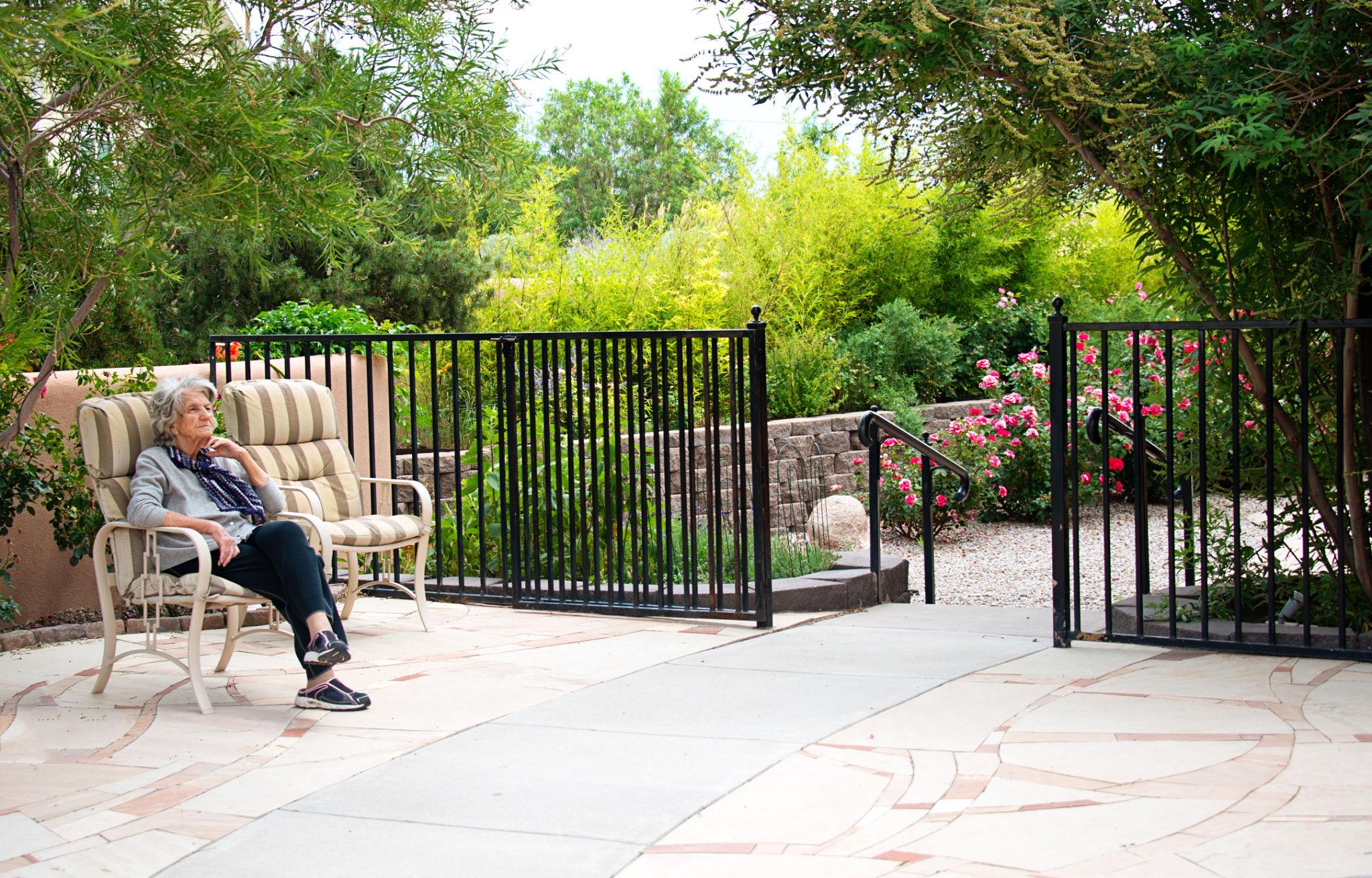
Many people living with dementia benefit enormously from spending time outdoors.
Fresh air, sunlight and gentle activity can improve wellbeing.
If possible create a secure outdoor area with:
Gardens can provide enjoyment long after other activities become difficult.
While safety matters, emotional comfort matters too.
Familiar surroundings often help reduce anxiety.
Maintaining favourite furniture, treasured photographs and meaningful belongings can provide reassurance.
Routine also plays an important role.
Predictable daily patterns often help people feel more secure and confident.
Modern technology offers many helpful tools for dementia care.
Useful options include:
Technology should support independence rather than replace human connection.
Used thoughtfully, it can provide valuable reassurance.
Financial vulnerability is sometimes overlooked.
Changes in judgement can make someone more susceptible to scams, fraud and poor financial decisions.
Protective measures may include:
Early planning can prevent significant problems later.
Dementia is progressive.
A home that feels safe today may require additional adjustments in the future.
Reviewing safety regularly allows families to adapt as needs change.
You may find yourself reassessing:
Small changes made gradually are often easier to manage than major changes made during a crisis.
When discussing home safety it is easy to focus entirely on the person with dementia.
Yet caregivers need support too.
Creating a safer home can reduce stress, improve confidence and provide peace of mind for family members.
During my own experiences I discovered that every improvement made life easier not only for my loved one but for everyone involved in their care.
Knowing that risks had been reduced allowed me to spend less time worrying and more time simply enjoying our time together.
A safe home is about far more than preventing accidents.
It is about preserving independence, encouraging confidence and supporting quality of life.
The best dementia-friendly homes combine practical safety measures with warmth, familiarity and compassion.
They allow people to continue living with dignity while receiving the support they need.
Every family faces different challenges and every home is unique.
What matters most is creating an environment where your loved one feels secure, valued and cared for.
Small changes made today can have a lasting impact tomorrow and may help someone remain safely at home for longer while enjoying the comfort of familiar surroundings and treasured memories.
Start by removing trip hazards, improving lighting, organising medication, installing grab rails in the bathroom and simplifying clutter. Small changes throughout the home can greatly reduce the risk of accidents.
Bathrooms and kitchens are generally considered the highest-risk areas because of slippery surfaces, hot appliances, sharp objects and cleaning products. These rooms often benefit most from safety modifications.
Door alarms, motion sensors, secure garden gates, GPS tracking devices and maintaining familiar daily routines can all help reduce the risk of wandering while preserving independence.
Some home safety products can be very helpful, but there is no one-size-fits-all solution. A grab rail, motion-sensor light, medication support system or automatic cooker shut-off device may be useful depending on the person’s needs and the layout of the home. Before buying equipment, consider the specific problem you are trying to solve and whether the product will genuinely make everyday life safer and easier.
Some people with dementia can continue living at home with the right support, while others may eventually need more intensive care or a different living arrangement. Regularly reviewing safety, mobility, supervision and care needs can help families decide what is appropriate as the condition changes.
When we are making a home safer for someone with dementia, it is easy to feel as though we need to change everything at once. We really don’t. Sometimes one small addition can make an everyday task a little easier or give a family member some extra reassurance.
I’ve chosen a few practical items below that relate directly to the things we’ve talked about in this article. They won’t all be suitable for every person or every home, so think about the particular challenges you’re trying to solve before buying anything.
🌿 A little note about my Amazon links
Some of the products I recommend on Rustic Daisy are linked to Amazon. These are affiliate links, which means that if you choose to purchase something through one of my links, I may receive a small commission at no additional cost to you. This helps support Rustic Daisy and allows me to continue creating useful content for you.
As an Amazon Associate I earn from qualifying purchases.
A quick note for my lovely South African readers 🇿🇦
Amazon links can be useful for readers who already shop through Amazon in their own country. Unfortunately, there isn’t currently a South African Amazon shopping site, so international shipping charges, import duties or other fees may apply when ordering from Amazon.
These additional costs can sometimes make an otherwise reasonably priced product considerably more expensive, so please check the final price, delivery costs and any additional charges before placing your order.
I’m working on finding local alternatives! 🌿
I’m always on the lookout for lovely, practical alternatives that are available right here in South Africa. When I find something suitable, I’ll gladly share it with you so that our local readers have options that are easier and more affordable to find.
I only recommend products that I genuinely believe are useful, relevant and worth considering. I’m not here to fill my pages with links simply for the sake of earning a commission.
Thank you for supporting Rustic Daisy, whether you’re reading from South Africa or somewhere else in the world. Every visit, share, click and purchase helps my little corner of the internet continue to grow. 🌼
South African readers: your local alternatives are coming! 🇿🇦🌿
GPS Tracker – For families concerned about someone becoming lost or wandering away from home, a GPS tracker may provide an additional layer of reassurance. The right option will depend on the person’s circumstances and how comfortable they are using or wearing it.
Medic Alert Pendant – A medical alert pendant can provide a way for someone to call for assistance if they fall or have an emergency. Before choosing one, check what type of monitoring or emergency response service is included.
Digital Day Clock – A large, easy-to-read day clock may be helpful for someone who becomes confused about the time or day. Look for a display that is clear and easy to read from a comfortable distance.
Phone with big buttons – A simple phone with large buttons can be easier to use when small screens and complicated menus become frustrating. Keeping important family and emergency numbers easily accessible can also be helpful.
Monthly pill organiser – A pill organiser can help make medication routines easier to see and manage, but it should not replace appropriate supervision where someone is no longer able to manage medication safely themselves.
Motion sensor night – Soft automatic lighting can be useful when someone gets up during the night. Motion-sensor lights may help illuminate a passage, bathroom route or other dark area without requiring the person to find a switch.
Automatic cooker shut-off device
For families concerned about kitchen safety, an automatic cooker shut-off device may provide an additional safeguard if a stove or appliance is accidentally left on. Choose a system that is appropriate for the appliance and have it installed correctly.
Shower chair
A shower chair can provide additional support for someone who finds standing for long periods difficult. Bathroom equipment should be chosen according to the person’s mobility and individual needs.
Creating a safer home for someone with dementia isn’t about making the house perfect. It is about looking at the familiar spaces around them with fresh eyes and making small changes where they can genuinely help.
There may be days when everything seems to work beautifully and other days when something you never thought twice about suddenly becomes a problem. That’s part of caring for someone whose needs are changing. You don’t have to solve everything at once. Start with the things that concern you most and make changes gradually.
Most of all, remember that safety and dignity can exist together. A home should still feel like home — familiar, comfortable and filled with the little things that make a person feel that they belong there.
With love and care,