

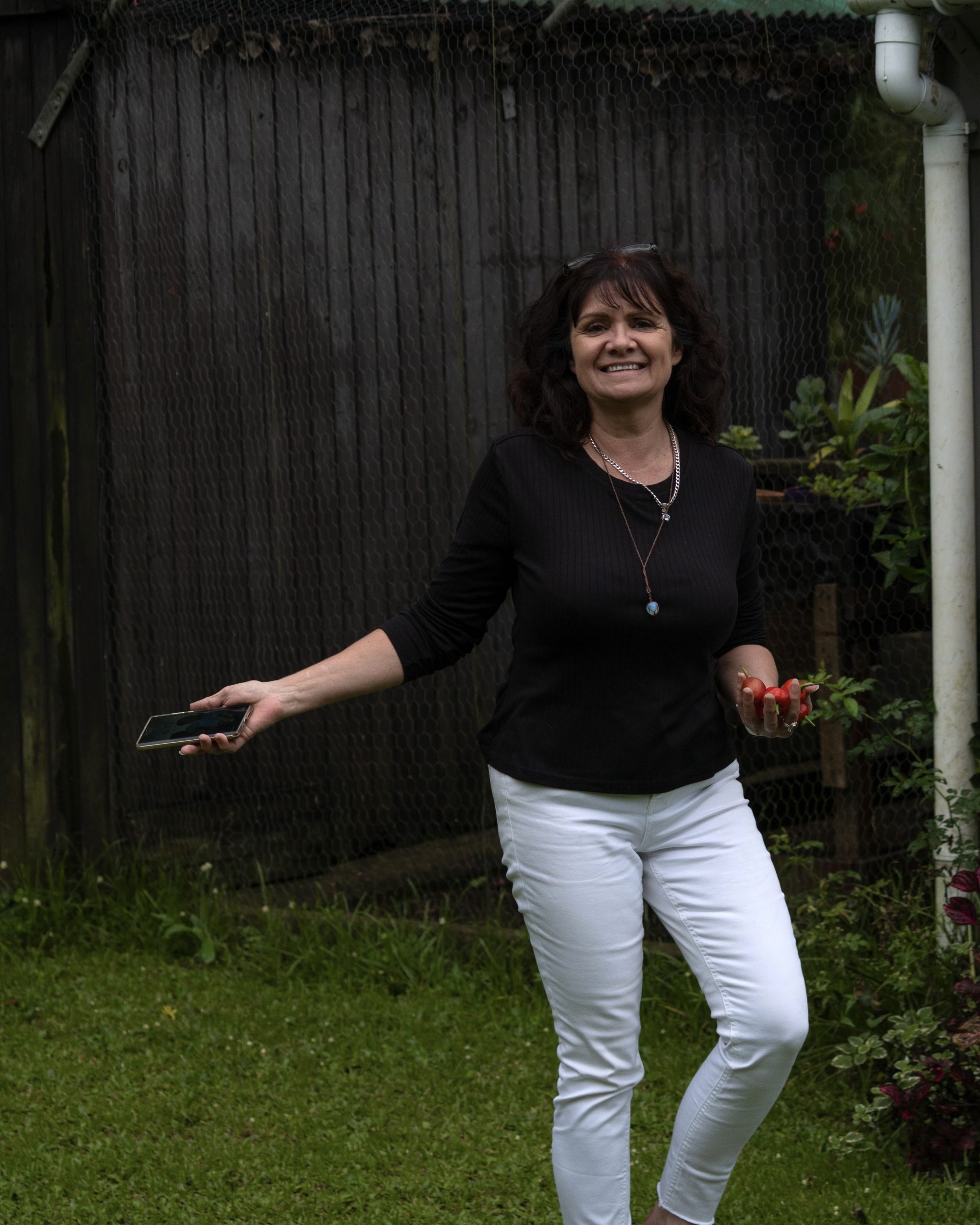
There is something rather amusing about the day you realise you’ve become “a gardening person”. It doesn’t happen overnight. One day you buy a little flowering plant because it looks cheerful sitting by the front door. A few weeks later you find yourself slowing the car to admire somebody else’s roses, peering over garden fences without even meaning to, and convincing yourself that one more pot couldn’t possibly hurt.
If someone had told me years ago that I’d become excited over new leaves or feel ridiculously proud of a tomato that had managed to survive my care, I would probably have laughed. Yet here I am, quite happily wandering around the garden first thing in the morning with a mug of tea in one hand, checking on everything as though I’m doing an important inspection.
The funny thing is that gardeners seem to recognise each other without saying a word. We understand the quiet excitement of spotting the first flower after weeks of waiting. We know the disappointment of finding a prized plant flattened by an unexpected storm. Most of all, we share all sorts of little habits that probably seem perfectly normal to us but slightly peculiar to everyone else.
If you’ve ever wondered whether you’ve officially caught the gardening bug, these first few signs might sound rather familiar.
I never expected this to become part of my personality, but somewhere along the way it did.
I’ll be driving through a neighbourhood when an especially beautiful garden catches my eye. Before I know it, I’m slowing down just enough to admire the lavender spilling over the pathway or the roses climbing an old wooden fence. If the homeowner happens to be outside, there’s a very good chance I’ll wind down the window and tell them how lovely their garden looks.
The funny thing is that gardeners never seem surprised by this. Instead of wondering why a stranger is admiring their flower beds, they usually smile with genuine appreciation because they know exactly how much work, patience and occasional frustration went into creating that little piece of paradise.
My family probably thinks I’ve developed terrible driving habits.
It’s not because I’m distracted by my phone or trying to read road signs. It’s because a magnificent bougainvillea has exploded into colour over someone’s wall, or a row of agapanthus is putting on the sort of display that deserves at least a second glance.
Gardeners notice these things without even trying. We spot unusual plants outside cafés, flowering shrubs in shopping centre car parks and colourful hanging baskets outside tiny country shops. Somewhere along the line our eyes become trained to search for beauty growing in ordinary places.
The best part is that these tiny moments can completely lift my mood. A particularly cheerful flower bed has rescued more than one stressful day.
This is perhaps the biggest gardening lie I have ever told myself.
“I just need a bag of potting soil.”
Those innocent words have emptied more wallets than I care to admit.
An hour later I’m somehow wheeling a trolley containing herbs I didn’t know I needed, another flowering perennial because it was “too pretty to leave behind”, three packets of seeds, a decorative watering can and a plant that wasn’t even on my shopping list. Somehow the bag of potting soil has become the least exciting purchase of the day.
Garden centres have a strange effect on gardeners. They don’t feel like shops. They feel like possibilities. Every aisle whispers ideas for another corner of the garden that could be just a little prettier than it was yesterday.
I honestly don’t know how this happens. Every time a plant gets moved into the garden, another empty pot quietly joins the collection. Instead of throwing it away, I carefully stack it with all the others because I’m absolutely certain I’ll need it one day.
Before long there’s a growing tower of terracotta, ceramic and black plastic pots hiding behind the shed, tucked under the patio table or balanced neatly beside the garage. Anyone else might see clutter. A gardener sees future opportunities.
After all, what if I find the perfect little plant next weekend? It would be terribly wasteful not to have a pot ready and waiting.
This may be the surest sign of all that you’ve become a proper gardener. Most people walk straight past the sad little shelf where the discounted plants sit looking slightly wilted and forgotten. Gardeners, on the other hand, slow down.
We inspect each one carefully, gently lift a leaf or two and quietly convince ourselves that with enough water, a little pruning and perhaps some fresh compost, this poor neglected plant could have a wonderful second chance. Sometimes we’re right and other times we are just hopelessly optimistic.
Either way, bringing home a rescue plant feels oddly satisfying. Watching it slowly recover over the following weeks brings a sense of achievement that is difficult to explain to anyone who hasn’t experienced it themselves. It’s a reminder that a little patience and care can work quiet miracles, whether in the garden or elsewhere in life.
There was a time when rain simply meant wet washing, muddy shoes and changing weekend plans. These days it feels completely different. I still appreciate a sunny day as much as anyone, but after a long dry spell, hearing gentle rain on the roof is one of the most comforting sounds I know.
While everyone else is looking out of the window and sighing about cancelled braais or damp school runs, I’m quietly wondering how happy the garden must be. I picture thirsty flower beds soaking up every drop, the lawn beginning to recover and the vegetables finally getting the drink they’ve been waiting for. There’s something wonderfully reassuring about knowing that nature is taking care of the watering for me.
Of course, every gardener also knows that not all rain is created equal. A gentle overnight shower is a gift. A violent thunderstorm with hail the size of golf balls can undo months of patient work in a matter of minutes. Even so, I still find myself welcoming those dark clouds more often than not. Somewhere along the way, my relationship with the weather changed completely.
I will happily admit this one, although I might look around first to make sure nobody is watching. It usually starts quite innocently. I’m trimming a rose bush and mutter, “There you are. You’re looking much better already.” A struggling tomato plant gets a little encouragement while I tie it to a stake. A stubborn orchid receives a gentle plea to produce just one more flower.
Before long, full conversations seem perfectly normal. I like to think the neighbours can’t hear me chatting away while I’m wandering around with my secateurs, although perhaps they’ve simply accepted that that’s what gardeners do. Either way, talking to plants somehow makes gardening feel less like a chore and more like spending time with old friends.
Scientists still debate whether plants respond to voices, but whether they do or not hardly matters. The simple act of slowing down, paying attention and noticing how each plant is growing makes me feel more connected to the garden. Perhaps that’s the real reason so many gardeners end up chatting to their flowers.
Some people wander around clothing shops to relax. Others browse bookshops or spend an afternoon at the beach. Give me a good garden centre any day. The moment I walk through the entrance, I feel myself slowing down. The scent of damp compost mixes with fresh herbs, birds are chirping somewhere in the background and every path seems to lead to another colourful display of plants I’d quite happily take home.
The dangerous part is convincing myself that I’m only browsing. Garden centres have a remarkable ability to make every purchase seem completely sensible. That unusual lavender would look lovely by the front path. Those new gardening gloves might finally replace the pair I lost months ago. The pretty ceramic pot is surely an investment rather than an indulgence.
By the time I reach the checkout, I’ve often forgotten what I originally came to buy.
Anyone opening my cupboard might wonder why I’m keeping so many empty plastic containers. The answer is always exactly the same.
“They’re for the garden.”
Yoghurt tubs become seedling pots. Ice cream containers hold bulbs waiting to be planted. Margarine tubs collect cuttings, store plant labels or carry handfuls of fertiliser around the garden. Even old takeaway containers somehow find a second life once gardening enters the picture.
To everyone else, they look like recycling that should have gone out weeks ago. To a gardener, they’re useful equipment. It’s rather satisfying giving everyday household items another purpose before they finally reach the recycling bin. Gardening has a funny way of making us see possibilities where other people simply see rubbish.
I never imagined I’d become someone who notices sunlight quite so closely. Now I know precisely which corner enjoys the first morning rays and which flower bed slips into shade during the hottest part of the afternoon. I notice how winter sunlight reaches places that remain shaded all summer, and I instinctively think about whether a new plant would enjoy that particular spot.
Friends might stand in the garden chatting while I’m quietly noticing that the afternoon sun has shifted by another few metres. It isn’t something that I consciously set out to learn. It simply happens after spending enough time outdoors, observing what thrives and what struggles. Every season teaches another little lesson, and before long the garden feels almost like an old friend whose habits you’ve come to understand.
There is something wonderfully grounding about paying attention to these quiet rhythms. The garden follows its own timetable, completely unaffected by deadlines, traffic or overflowing inboxes. Spending time there reminds me that not everything has to happen in a hurry. Sometimes the greatest pleasure comes from noticing small changes that most people walk straight past.
I’ve accepted that this is simply part of the gardening lifestyle. No matter how carefully I wash my hands afterwards, there always seems to be the faintest reminder that I’ve been outside. A little soil tucked beneath a fingernail or a tiny green stain from pruning herbs somehow survives even the most determined scrubbing.
The funny thing is that I do own gardening gloves. In fact, I own several pairs. Some are thick enough for thorny roses, others are lighter for planting seedlings, and I’m sure I bought one particularly pretty pair because they matched my watering can. Yet somehow I always seem to forget to put them on. By the time I remember, my hands are already covered in soil and I convince myself there’s no point now.
There is something rather satisfying about dirty hands after a morning spent in the garden. They remind me that I’ve been creating something instead of simply looking at it. A few smudges of soil feel like honest evidence of time well spent.
Most sensible people choose a spot in the garden first and then look for the right plant. Gardeners don’t always work that way. I’ve walked through a nursery, spotted a beautiful flowering shrub or an unusual little succulent and immediately fallen in love with it. The practical questions only arrive later.
Those are tomorrow’s problems.
The excitement of bringing home a new plant often outweighs the small detail of finding it a permanent home. Somehow it always works itself out. Pots get shuffled around, another flower bed mysteriously expands, or a forgotten corner suddenly seems like the perfect place for a new addition.
Gardens have an extraordinary ability to grow, not only with plants but with possibilities.
I don’t think non-gardeners fully understand just how exciting a single flower can be. When that first rose opens after weeks of careful pruning, or a tiny bud finally reveals its colour, I find myself smiling as though something wonderful has happened. Sometimes I even call someone outside to have a look.
“You have to come and see this!”
To them it may just be another flower. To me it’s weeks of watering, waiting, hoping and occasionally wondering whether I’d done something wrong. It’s proof that nature has quietly been getting on with its work while I was busy with everything else. Those little moments never seem to lose their magic. In a world where so much demands instant results, gardens gently remind us that beautiful things often take their own sweet time.
Poor wheelbarrows rarely receive the appreciation they deserve. Mine has carried bags of compost that were probably a little too heavy, transported countless pots from one side of the garden to the other and faithfully followed me through projects that seemed like excellent ideas at the time.
It has also become an unexpected storage shelf. For reasons I can’t quite explain, garden tools seem to collect inside it between jobs. The spade, secateurs, gloves I couldn’t find yesterday, a forgotten packet of seeds and perhaps an empty plant pot all seem to gather there until the next burst of gardening enthusiasm arrives.
It’s certainly not glamorous and the paint has seen better days, but I suspect every experienced gardener has a trusted wheelbarrow with its own collection of dents, scratches and stories. Like an old friend, it simply gets on with the job without ever asking for much in return.
This is perhaps the most reliable sign of all.
“I’ll just pop outside and water a few pots.”
It’s a sentence I’ve said countless times. Five minutes later I notice a few weeds that could quickly be pulled. While I’m there, I decide to deadhead the roses. That reminds me the lavender could use a trim. Then I spot a pot that would look much better on the other side of the patio. Before I know it, I’ve completely rearranged half the garden, planted a few seedlings and somehow lost track of two hours.
The cup of tea I left on the kitchen counter has gone cold. Again.
Gardening has a gentle way of making time disappear. There are no notifications demanding attention, no meetings to rush to and no sense of needing to be anywhere else. One small task quietly leads to another until the afternoon has slipped by almost unnoticed.
Perhaps that’s one of the greatest gifts a garden offers. It gives us permission to slow down. To notice tiny changes. To celebrate small victories. To laugh at ourselves when we arrive home with yet another plant we definitely didn’t need.
If you’ve recognised yourself in these fifteen signs, I’d say you’ve officially caught the gardening bug. The wonderful news is that there’s no known cure. Personally, I wouldn’t want one anyway because while gardening certainly leaves me with muddy shoes, empty pockets and an ever-growing collection of plant pots, it has also filled my days with colour, quiet moments and countless reasons to smile, and, if occasionally stopping the car to admire a stranger’s roses is part of the bargain, I think that’s a habit I’m more than happy to keep.
After all, life is simply a little brighter when you notice the flowers along the way.
Most gardeners know that an empty pot is never really empty for long. Keeping a few spare pots means you’re always ready for new plants, cuttings or seedlings.
Many gardeners chat to their plants without even thinking about it. Whether or not the plants are listening, slowing down to observe them helps us notice problems earlier and makes gardening feel more personal.
Garden centres are full of inspiration. Gardeners enjoy discovering new plants, finding ideas for different areas of the garden and, if we’re being honest, treating ourselves to “just one more plant.”
After dry weather, rain is one of the best gifts a garden can receive. Most gardeners know how much healthier plants look after a gentle shower, making rainy days surprisingly welcome.
Some of the biggest clues include admiring strangers’ gardens, rescuing discounted plants, talking to flowers, collecting empty pots, spending hours in the garden without noticing the time and always finding room for one more plant.
15 Garden Centre Bargains I Never Leave Without
Budget Garden Ideas That Look Expensive
Gardening And Emotional Awareness – How Growing Things Heals The Human Soul
Winter Gardening Ideas: Simple Ways To Create A Beautiful Garden During The Colder Months
The Unexpected Joy Of Growing Herbs At Home
The Most Powerful Healing Happens In Silence
Simple Craft Ideas For People Who Think They Are Not Creative
Thank you for spending a little time with me today.
I hope this article brought a smile to your face and reminded you that gardening isn’t about creating perfection. It’s about finding joy in the little things, celebrating new beginnings and discovering that even the smallest seed can grow into something beautiful.
If you recognised yourself in these stories, I’d love to know which one made you laugh the most. After all, the very best part of gardening is sharing it with people who understand exactly why an empty plant pot is never really empty.
Until next time,
Sharon