

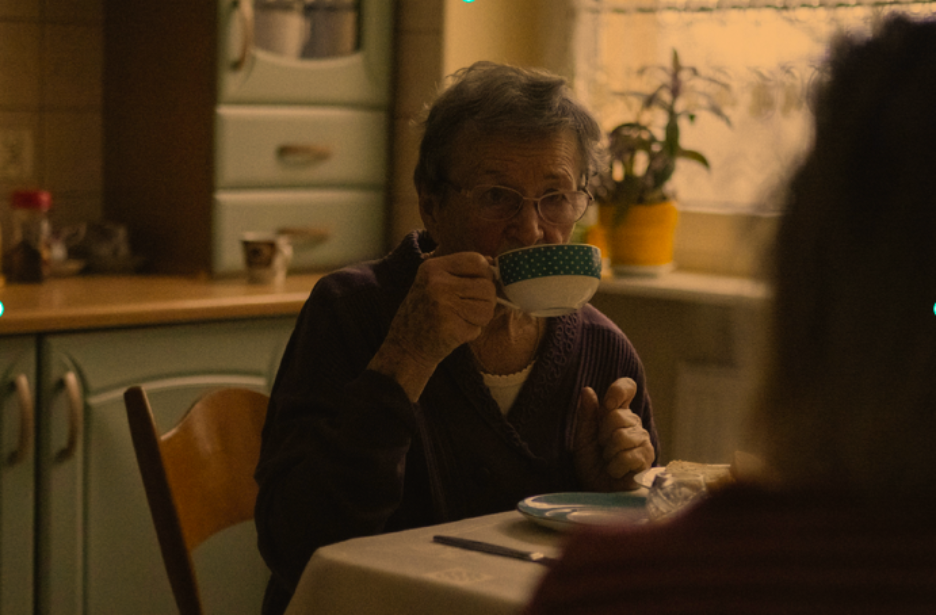
There comes a moment in many adult children’s lives when they begin to notice the subtle changes. A parent repeats the same story twice in one afternoon. The once-perfect garden grows wild around the edges. The cupboards are full, but the meals are skipped. The strong, capable people who once carried the weight of the family now move more slowly through the world.
It is one of life’s quietest heartbreaks.
When people think about caring for elderly parents, they often focus on finances. Retirement funds. Medical costs. Housing. Insurance. While those things certainly matter, they are not always the things elderly parents need most.
In truth, many elderly parents long for things that no amount of money can provide. The things elderly parents need are often much simpler than we imagine.
They need patience when they move slowly. They need dignity when their independence fades. They need conversation, reassurance, purpose and love. Most of all, they need to feel remembered in a world that moves faster every year.
Supporting elderly parents is not just about practical care. It is about emotional presence.
And sometimes, the smallest gestures become the greatest gifts.
One of the greatest fears many elderly parents carry is becoming invisible.
Children grow up. Their careers become demanding. Families scatter across cities and countries. Life becomes busy and visits become rushed. Phone calls become shorter. Text messages replace conversations.
Yet what many aging parents crave most is simple human connection. Not expensive presents. Not elaborate outings. Just your time.
A slow cup of tea together. Sitting in the garden. Listening to stories you’ve heard a hundred times before. Asking questions about their childhood. Looking through old photographs. Sharing ordinary moments without rushing away. For elderly parents, time communicates something powerful:
“You still matter.”
Many adult children underestimate how deeply loneliness affects aging parents. Even parents who appear independent may quietly struggle with isolation. Their friends pass away. Social circles shrink. Mobility becomes difficult. Days become quieter. Silence can become heavy for them.
Sometimes, a twenty-minute visit means more than a costly gift ever could.
Aging changes everything. Simple tasks begin taking longer. Technology becomes confusing. Memory becomes unreliable. Physical pain increases. Fear grows quietly beneath the surface. What elderly parents often need most is patience from the people they love.
Too often, adult children become frustrated without realising how humiliating ageing can feel. Imagine spending decades raising children, building a home, solving problems and caring for others — only to suddenly need help opening a jar or understanding a banking app. Losing independence can be deeply painful, even when that help is offered with the best intentions.
Gentle patience protects their dignity. The tone we use matters. So does the sigh when they take too long, the impatience when they ask the same question again or the feeling that we are rushing them through something that matters to them. Our parents may not remember every conversation, but they often remember how we made them feel.
One of the most overlooked emotional struggles elderly people face is the feeling of no longer being needed.
Retirement can create emptiness. Physical limitations reduce activity. Adult children begin taking over responsibilities. Decisions are made without consultation. Suddenly, people who once held families together feel like observers in their own lives.
This loss of purpose can quietly damage emotional wellbeing. Many elderly parents do not need perfection from life – they need meaning.
Purpose keeps people emotionally alive.
Sometimes elderly parents cling tightly to possessions, not because they value the object itself, but because those belongings represent identity, usefulness and memory. A garage full of tools may symbolize decades of providing for a family. Boxes of handwritten recipes may represent love expressed through caregiving. When supporting elderly parents through downsizing or home transitions, it is important to remember this emotional reality.
We are rarely sorting through “stuff”. We are sorting through pieces of their lives.
Many adult children unintentionally begin parenting their parents. This shift happens gradually.
Sometimes these decisions are necessary. But how they are handled matters enormously. Elderly parents still need autonomy wherever possible. They need choices. They need to feel heard. They need respect. Growing older can already feel like losing control over the body, memory, energy, and future. When family members take over without empathy, elderly parents may feel powerless in their own lives.
Respect preserves dignity and dignity matters deeply at every stage of life.
Many aging parents carry quiet fears that they rarely speak about out loud.
Sometimes they fear death itself but often, they fear loneliness even more. Adult children may assume elderly parents “know” they are loved. Yet reassurance becomes increasingly important with age. Simple words matter:
Never underestimate how healing reassurance can be, especially for elderly parents who have spent their lives being the strong ones.
Aging often brings people closer to their memories if that makes sense. Elderly parents revisit stories because those memories anchor them to identity and meaning. Childhood experiences, family holidays, old friendships and moments of hardship become increasingly important to them.
Listening to these stories is not just polite – it is an act of love. It is one of the most important things elderly parents need.
Many adult children become impatient hearing repeated memories, but one day, those stories will disappear forever and people often realize too late how precious they were.
When elderly parents feel heard, they feel valued and preserving memories also becomes a gift for future generations.
One of the hardest experiences many families face is helping elderly parents downsize or leave a longtime home. To outsiders it may seem practical but to aging parents, it can feel devastating.
A home is rarely just a building. It holds decades of birthdays, grief, celebrations, routines, arguments, struggles and love. Every drawer contains memories. Every worn chair tells a story. When adult children rush the process, elderly parents often feel emotionally overwhelmed. Compassion matters more than efficiency. Allow time for storytelling and let them grieve what they are leaving behind.
Understand that attachment to objects is often attachment to meaning. Sometimes what elderly parents need most is not someone to “clear things out,” but someone willing to sit beside them emotionally while they let go.
That emotional support cannot be bought.
Many adult children carry enormous guilt about caring for elderly parents. They worry they are not doing enough, not visiting enough or not helping enough. But elderly parents are rarely looking for perfection. More often, they are looking for the comfort of knowing that we are still there.
Consistency matters more than grand gestures. A regular phone call, a shared meal, helping with paperwork or watching an old film together can mean far more than an occasional elaborate outing. Love is often communicated through ordinary moments that don’t look particularly important at the time.
Love is strongly communicated through ordinary moments.
Nothing hurts many elderly parents more than feeling disconnected from family. As families become busier and more digitally distracted, older generations can begin feeling left behind.
Including elderly parents in family life matters deeply. Invite them to gatherings. Encourage grandchildren to visit or call. Share photographs and updates. Celebrate their birthdays meaningfully. Ask them about family traditions and history.
Connection gives elderly parents emotional grounding and belonging. It reminds them that they are still an important part of the family story.
At the heart of it all, the things elderly parents need are many of the same things we all need:
Money can buy medical care, comfortable furniture and practical support, but it cannot buy emotional presence, patience, kindness or dignity. Those gifts come from people, and they are often expressed through very small moments.
One day, many adult children will realize they would give anything for one more slow conversation at the kitchen table. One more repeated story. One more afternoon sorting through old photographs together.
When we think about the things elderly parents need, it is easy to focus on practical help and forget how much emotional connection matters.
Supporting elderly parents is more an opportunity to love these special people well whilst they are still here and not just an act of responsibility.
In a culture obsessed with productivity and speed, elderly parents can easily become overlooked. Aging is not something happening to “other people.” It is the future awaiting all of us. The compassion we offer elderly parents today shapes the kind of world we ourselves may one day grow old in.
Because the things elderly parents need most are often beautifully simple. And once those moments have passed, no amount of money can buy them back.
Many elderly parents value love, patience, companionship, dignity and feeling included in family life more than expensive gifts.
Regular phone calls, video chats, arranging grocery deliveries, organising local support and planning visits can make a significant difference.
Possessions often represent memories, identity and a lifetime of achievements. Letting go of items can feel like letting go of parts of their lives.
There is no perfect answer, but regular contact helps reduce loneliness and reassures parents that they remain an important part of the family.
Meaningful gifts often include your time, family photographs, memory books, shared experiences and practical items that make daily life easier.
Although this article is really about the things money can’t buy, there are times when a simple practical item can make everyday life a little easier for an elderly parent. I’ve chosen a few things that may be useful, particularly where they support communication, independence, organisation or comfort.
As always, think about your parent’s individual needs before buying anything. A product that is helpful for one person may not be necessary for another.
🌿 A little note about my Amazon links
Some of the products I recommend on Rustic Daisy are linked to Amazon. These are affiliate links, which means that if you choose to purchase something through one of my links, I may receive a small commission at no additional cost to you. This helps support Rustic Daisy and allows me to continue creating useful content for you.
As an Amazon Associate I earn from qualifying purchases.
A quick note for my lovely South African readers 🇿🇦
Amazon links can be useful for readers who already shop through Amazon in their own country. Unfortunately, there isn’t currently a South African Amazon shopping site, so international shipping charges, import duties or other fees may apply when ordering from Amazon.
These additional costs can sometimes make an otherwise reasonably priced product considerably more expensive, so please check the final price, delivery costs and any additional charges before placing your order.
I’m working on finding local alternatives! 🌿
I’m always on the lookout for lovely, practical alternatives that are available right here in South Africa. When I find something suitable, I’ll gladly share it with you so that our local readers have options that are easier and more affordable to find.
I only recommend products that I genuinely believe are useful, relevant and worth considering. I’m not here to fill my pages with links simply for the sake of earning a commission.
Thank you for supporting Rustic Daisy, whether you’re reading from South Africa or somewhere else in the world. Every visit, share, click and purchase helps my little corner of the internet continue to grow. 🌼
South African readers: your local alternatives are coming! 🇿🇦🌿
1. Digital photo frame
A digital photo frame can be a lovely way to keep family photographs visible without needing to manage lots of separate frames. It can also provide familiar faces and memories to enjoy throughout the day.
2. Phone with big buttons
A simple phone with large, easy-to-see buttons can be useful for someone who finds modern smartphones confusing or difficult to operate. Staying connected with family can be far more valuable than the phone itself.
3. Monthly pill organiser
A clearly organised pill organiser may help simplify a medication routine. It should only be used where it is appropriate for the person’s circumstances and should not replace supervision if they can no longer manage medication safely themselves.
4. Motion-sensor night lights
A small motion-sensor light can make dark passages or bedrooms easier to navigate at night. It is a simple addition that may be particularly useful for someone who gets up during the night.
5. Medic Alert pendant
A medical alert pendant can provide an additional way of calling for assistance in an emergency. Before choosing one, check what monitoring or response service is actually included.
If you are supporting an elderly parent, you may also find these articles helpful. Some focus on the practical side of caring for an ageing parent, while others look at the emotional and sometimes difficult decisions families face along the way.
Important Family Documents: The Best Way To Organise Them
What to Keep When You Can’t Keep Everything.
Creating A Safe Home For Someone With Dementia
Helping Parents Downsize With Compassion
Sometimes the greatest gifts we can give our parents are the simplest ones — our time, our patience and the knowledge that they are still deeply loved.
With love,