

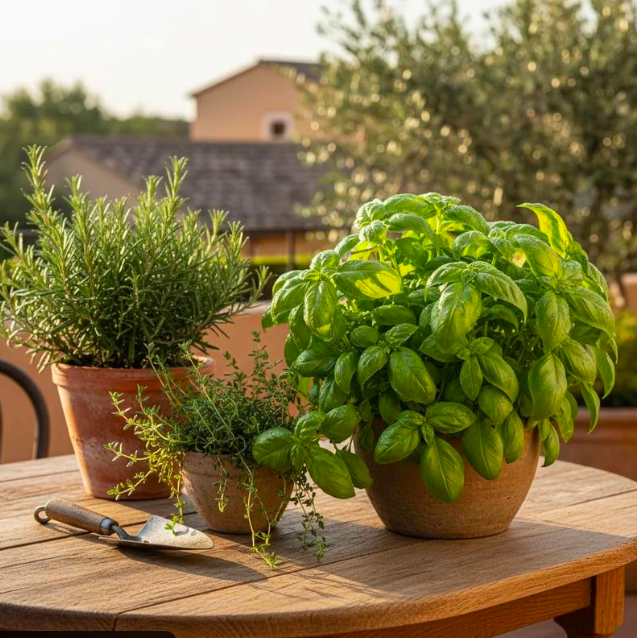
There are some hobbies that quietly work their way into your life and become far more meaningful than you ever expected. For me, growing herbs at home is one of those things.
What started as a few small pots on a sunny windowsill quickly turned into a passion that has brought beauty, flavour and savings. The unexpected joy of growing herbs at home has become a delight in my daily routine. Whether you have a sprawling garden, a tiny patio, or just a sunny kitchen window, growing herbs is one of the simplest and most rewarding things you can do.
Over the years, I’ve spent countless hours clearing homes, helping families downsize and sorting through decades of possessions. One thing I’ve noticed is that some of the happiest homes often have a connection to nature. Sometimes it’s a beautiful garden. Sometimes it’s a collection of treasured houseplants and very often, it’s a few well-loved herb pots sitting near the kitchen door.
There is something special about growing something you can actually use every day. It is so rewarding to cut fresh, home grown herbs to add to a special dish.
If you have ever considered starting a herb garden, this might be the encouragement you need.
Growing your own herbs is one of those small changes that can bring far more into your life than you might expect. A few pots on a sunny windowsill, patio or balcony can provide fresh flavour for your cooking, save money over time and give you something living to tend each day. There is also something wonderfully satisfying about stepping outside with a pair of scissors and picking exactly what you need rather than opening another plastic packet from the fridge.
But the joy goes beyond the practical benefits. Herbs bring fragrance, colour and a little connection with nature into even the smallest home, while the simple routine of watering, trimming and watching new growth can encourage us to slow down. You don’t need a huge garden or years of experience to begin. A few pots, some sunshine and one or two herbs you actually enjoy using can be enough to start something that becomes a surprisingly rewarding part of everyday life.
One of the biggest misconceptions about gardening is that it’s difficult. Many people assume they need extensive gardening knowledge, expensive equipment, or a large outdoor space. The truth is that herbs are amongst the easiest plants to grow.
Most herbs are forgiving, adaptable and happy to thrive in containers. Even if you’ve never successfully kept a plant alive before, herbs give you a greater chance of success.
Popular beginner-friendly herbs include:
Many of these herbs grow quickly and provide a continuous harvest throughout the season.
The confidence that comes from snipping your first homegrown herbs is surprisingly satisfying.
One of the first things I noticed was how much money I was saving. Fresh herbs at the supermarket can be surprisingly expensive. Even worse, they often come in quantities larger than we need, leaving half the packet forgotten in the fridge.
Growing herbs at home means harvesting exactly what you need.
Need a few basil leaves for pasta? Simply step outside.
Need some rosemary for roast vegetables? It’s right there waiting for you.
Over time, those small savings add up significantly.
A single healthy rosemary plant can provide herbs for years, making it one of the most economical additions to any garden.
The flavour difference between fresh and dried herbs is remarkable. Once I started cooking with freshly picked herbs, I found myself experimenting more in the kitchen. Simple meals suddenly felt special.
Growing herbs encourages creativity in cooking because they are readily available. Instead of saving herbs for special occasions, you naturally begin using them every day.
The result is healthier, more flavourful meals and a renewed enjoyment of cooking.
One of the things I love most about herbs is that they don’t require much space. A few pots can transform an ordinary area into something beautiful. If you enjoy using containers in your garden, you might also enjoy my ideas for creating a garden that looks expensive without spending a fortune.
In homes where outdoor space is limited, herbs provide an easy way to connect with nature. Every time I brush past lavender, rosemary, or mint, the fragrance creates a moment of calm. It’s a simple pleasure that never seems to lose its charm.
There is growing awareness of how beneficial gardening can be for mental wellbeing.
Life often feels busy and overwhelming. Between work, responsibilities, technology and endless to-do lists, it’s easy to become disconnected from the present moment.
Gardening naturally slows us down. When I water herbs, remove dead leaves, or simply check on new growth, my attention shifts away from stress and towards something positive.
Watching plants grow provides a gentle reminder that good things take time. There is a sense of accomplishment in nurturing something from seed to harvest.
Even five minutes spent tending herbs can feel surprisingly restorative. If you’re interested in the connection between gardening and how we feel, I’ve also written about the emotional wellbeing benefits of spending time in the garden.
One of the unexpected joys I’ve discovered is how herbs become part of daily life.
These small rituals create moments of connection and mindfulness. In a world that often feels rushed, these simple routines become something to look forward to.
Growing herbs is also one of the easiest ways to reduce household waste.
Store-bought herbs are often packaged in plastic containers or sleeves. By growing your own you eliminate much of that packaging. You also reduce food waste because you’re harvesting only what you need.
For anyone trying to live more sustainably, herbs are a small change that can make a meaningful difference.
Many herb plants can also be propagated from cuttings, meaning one plant can eventually become several.
Another delightful surprise was discovering how many beneficial insects herbs attract. Flowering herbs often draw bees, butterflies, and other pollinators into the garden. Watching these visitors move from flower to flower adds another layer of enjoyment. Pollinators play a crucial role in healthy ecosystems so growing herbs supports local biodiversity while enhancing your garden’s beauty.
It’s a wonderful example of how small actions can have a broader positive impact.
If you’re wondering where to begin, these herbs are excellent choices:
Perfect for salads, pasta dishes and homemade pesto.
Hardy, fragrant and ideal for roasted dishes.
Easy to grow and wonderful for teas, desserts and summer drinks.
Versatile and packed with nutrients.
Low maintenance and incredibly useful in cooking.
Adds mild onion flavour to countless dishes.
A must-have for Mediterranean cooking.
Excellent for hearty meals and seasonal recipes.
Starting with just three or four varieties is often enough to build confidence before expanding your collection.
Through years of helping people sort through homes and possessions, I’ve learned that happiness rarely comes from accumulating more things.
Often, it comes from experiences, routines and simple pleasures.
Growing herbs embodies that lesson perfectly. A small pot of basil won’t impress anyone with its monetary value yet the enjoyment it provides can be surprisingly significant.
And it reminds us that some of life’s greatest pleasures are wonderfully simple.
If you’ve been thinking about growing herbs, don’t wait for the perfect time.
Start small. Choose one or two herbs you regularly use, find a sunny spot and water consistently.
Allow yourself to learn through trial and error. Every gardener has lost plants. Every gardener has made mistakes. That’s part of the process. The important thing is simply beginning.
You may discover, as I did, that growing herbs becomes much more than a gardening project. It becomes a source of daily joy.
When I first planted a few herbs, I expected fresh ingredients for cooking. What I didn’t expect was the sense of satisfaction, peace and connection they would bring.
Growing herbs at home has enriched my life in ways I never anticipated. It has made my meals more flavourful, my home more welcoming and my days a little brighter.
In a world that often encourages us to seek bigger and better things, herbs offer a refreshing reminder that happiness can grow from the smallest beginnings.
Sometimes all it takes is a pot, a seedling and a little sunshine, and from there, something wonderful begins to grow.
If you’re thinking about growing your own herbs, these are a few simple things that can make getting started and looking after them a little easier. You certainly don’t need all of them — a pot, some sunshine and a willingness to learn are enough to begin — but these are useful additions for anyone who enjoys spending time with herbs.
🌿 A little note about my Amazon links
Some of the products I recommend on Rustic Daisy are linked to Amazon. These are affiliate links, which means that if you choose to purchase something through one of my links, I may receive a small commission at no additional cost to you. This helps support Rustic Daisy and allows me to continue creating useful content for you.
As an Amazon Associate I earn from qualifying purchases.
A quick note for my lovely South African readers 🇿🇦
Amazon links can be useful for readers who already shop through Amazon in their own country. Unfortunately, there isn’t currently a South African Amazon shopping site, so international shipping charges, import duties or other fees may apply when ordering from Amazon.
These additional costs can sometimes make an otherwise reasonably priced product considerably more expensive, so please check the final price, delivery costs and any additional charges before placing your order.
I’m working on finding local alternatives! 🌿
I’m making a real effort to find similar products that are available right here in South Africa. Wherever I can find a good local alternative, I’ll share it with you so that South African readers have more affordable and practical options.
I only recommend products that I genuinely believe are useful, relevant and worth considering. I’m not here to fill my pages with links simply for the sake of earning a commission.
Thank you for supporting Rustic Daisy, whether you’re reading from South Africa or somewhere else in the world. Every visit, share, click and purchase helps my little corner of the internet continue to grow. 🌼
South African readers: your local alternatives are coming! 🇿🇦🌿
Herb Starter Kit – A simple herb starter kit can be a lovely way to begin if you’re not sure which herbs to grow or how to get started. It takes some of the guesswork out of those first few pots.
Small garden scissors – A good pair of small garden scissors is particularly useful for harvesting herbs, taking cuttings and keeping plants neatly trimmed.
Gardening Gloves – Gardening gloves are one of those simple things I find myself reaching for again and again. They protect your hands while still allowing you to get stuck into the garden.
Soil moisture stick – If you’re new to growing herbs, a simple soil moisture meter can help you get a feel for how often your plants actually need watering rather than relying on guesswork.
Herb stripping tool – If you find yourself harvesting plenty of rosemary, thyme or other leafy herbs, an herb stripper can make preparing them for cooking a little quicker.
Gardening and Emotional Wellbeing
The Best Comfort Food Recipes for Winter
Until next time,
Sharon 🌼