

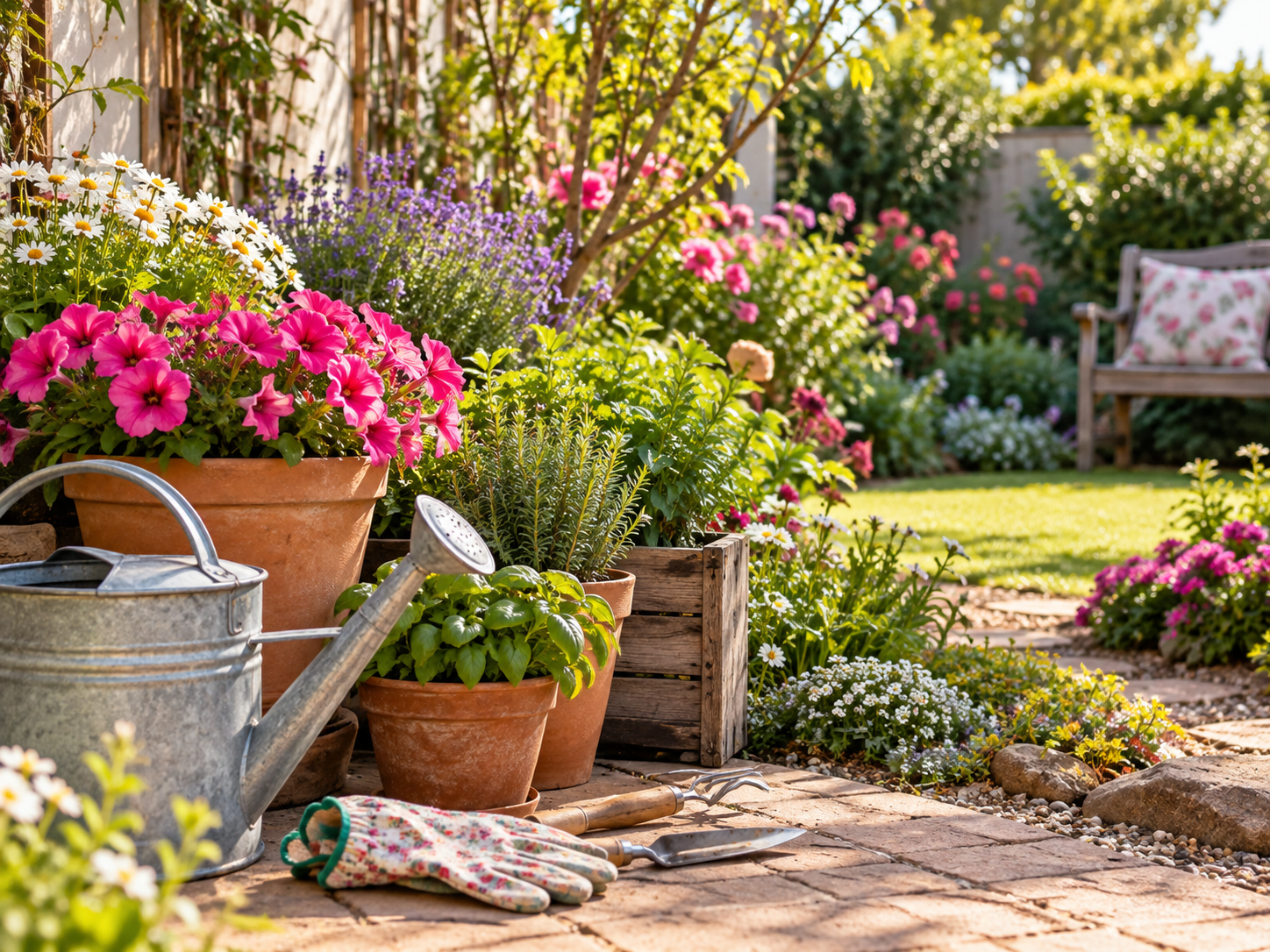
There is something wonderfully hopeful about spring. The days begin to warm up, new leaves appear on branches that looked rather bare a few weeks earlier and the garden slowly starts showing signs of life again. Even a small patch of earth or a collection of pots beside the kitchen door can feel full of possibility when the growing season begins.
Spring is also a good time to give your garden some attention. After the cooler months, beds may need clearing, the soil might benefit from fresh compost and plants may need a little help to produce their best growth. You do not have to tackle everything at once or spend a fortune at the garden centre. A few thoughtful changes can make a noticeable difference.
Here in South Africa, spring gardening depends very much on where you live. The weather in KwaZulu-Natal can be quite different from conditions in the Highveld or the Western Cape, so it is worth considering your local climate before deciding what to plant. Some areas become warm and humid quickly, while others can still experience chilly nights or dry spells.
The best approach is to work with the conditions you have, choose plants that suit your garden and take things one step at a time. These spring gardening ideas will help you prepare your soil, refresh flower beds, grow flowers and vegetables, care for your lawn and make your outdoor space more inviting without making gardening feel like another full-time job.
Before buying new plants or rearranging your flower beds, take a little time to see what your garden actually needs. Walk around and look at the areas that have become untidy, the plants that have survived the winter and the places where new growth is already appearing. You might discover that some established plants simply need a tidy-up rather than replacing.
Remove fallen branches, dead leaves and other garden debris that has collected over the colder months. Pull out weeds before they have a chance to spread and clear away old annual plants that have finished flowering. However, avoid removing every fallen leaf or seed head automatically. Some garden visitors benefit from natural shelter and certain leaves can be useful when added to your compost heap.
Work carefully around plants that are beginning to grow again. New shoots can be easy to miss, particularly when they are emerging from the soil near older stems. If you are unsure whether a plant is dead, give it a little time before digging it out. Some plants are simply slow to wake up after winter.
It is tempting to spend an entire weekend trying to make everything look perfect, but that can quickly turn an enjoyable activity into an exhausting chore. Choose one flower bed, one corner or a small group of pots and finish that area before moving on. You will see progress without feeling that the whole garden is demanding your attention at once.
Healthy soil is one of the most useful starting points for spring gardening. It provides the support, nutrients, air and moisture that plants need to establish themselves and grow. If your soil has become compacted, drains poorly or dries out quickly, adding more plants may not solve the underlying problem.
Begin by checking the condition of the soil in your flower beds and vegetable patch. Is it hard and difficult to work with? Does water sit on the surface after rain, or does the ground dry out almost immediately? Different gardens have different challenges, so observe what happens in your own space before deciding what needs to change.
Adding well-rotted compost can improve many garden soils by contributing organic matter and supporting soil life. Spread a suitable layer over the surface and gently work it into the top layer of soil where appropriate, taking care not to disturb established roots. Compost is particularly helpful when preparing beds for new flowers and vegetables.
Mulch can also be useful as the weather warms up. A layer of suitable organic mulch helps the soil retain moisture, reduces weed growth and protects the soil surface from harsh sun. Keep mulch away from the stems and trunks of plants to reduce the risk of rot, and avoid piling it too deeply around young seedlings.
You do not need to buy every soil product on the garden centre shelves. Good compost, sensible watering and choosing plants suited to your soil can go a long way. If you are unsure what your garden needs, ask a reputable local nursery for advice rather than adding several fertilisers and soil treatments without a clear reason.
Spring is a lovely time to bring colour back into flower beds, but you may not need to start from scratch. Once you have tidied the garden, look at the plants that are already there. Some may be ready to produce fresh leaves or flowers, while others might benefit from dividing, moving or replacing.
Remove spent flowers and damaged foliage where appropriate, and give established plants room to grow. If a bed looks overcrowded, consider whether a few plants can be moved or divided at the right time of year for their particular species. Always check the plant’s requirements before disturbing its roots, especially if it is flowering or putting out new growth.
When planning a refreshed bed, think about the height, colour and growth habits of your plants. Taller plants can add structure at the back of a border, while shorter flowers can soften the front. Combining plants with different flowering periods can also help the garden remain interesting for longer instead of producing one brief burst of colour.
You can create a pleasing effect without buying a large number of expensive plants. Repeating a few colours or varieties often looks more harmonious than filling every available space with something different. If you have friends or neighbours who garden, you may be able to exchange suitable cuttings, seedlings or divided plants.
Leave enough space for plants to reach their mature size. A newly planted bed may look a little sparse at first, but overcrowding can lead to competition for light, water and nutrients later in the season. A garden that has room to grow will usually be easier to maintain.
Flowers are often the first thing we think about when planning a spring garden. A few bright blooms can lift an outdoor space, attract pollinators and make even an ordinary patio feel more cheerful. The secret is to choose flowers that suit your climate, available sunlight and soil rather than selecting plants simply because they look beautiful in a photograph.
Petunias can provide generous colour in suitable sunny beds and containers, while marigolds and zinnias are popular choices for warm, sunny spaces. Cosmos can bring a relaxed, natural look to a garden where they have enough light and room. The best choices will depend on your local conditions and the varieties available at your nursery.
Before planting, check how much sun each flower needs. A plant that thrives in full sun may struggle in a shady corner, while a flower suited to partial shade may scorch in a hot, exposed position. Also consider wind, drainage and how quickly the soil dries out. These details can make a greater difference to success than the number of plants you buy.
South African gardeners may also want to include suitable indigenous plants. Many indigenous species are adapted to local conditions and can provide valuable food or shelter for birds and insects. Their requirements still vary, so choose species suited to your particular region and garden rather than assuming that every indigenous plant will thrive everywhere.
When buying seedlings, look for healthy leaves, sturdy growth and roots that are not severely overcrowded. Avoid plants that appear badly wilted or have obvious signs of pests or disease. Water new plants carefully while they establish themselves, and follow the growing instructions for the species you have chosen.
A handful of well-placed flowers can make a garden feel fresh without requiring a complete makeover. Start with the areas you see most often, such as the entrance, patio or view from a favourite window, and build from there.
Spring can be a productive time for a vegetable garden, provided you choose crops suited to your region and the temperatures you are experiencing. Warm-season vegetables such as tomatoes and beans may be suitable in many areas as conditions become warmer, while leafy greens and other crops have their own preferred growing temperatures. Local planting calendars are useful because South Africa’s growing conditions vary considerably.
Prepare vegetable beds by removing weeds and adding suitable compost. Make sure the soil drains well and that the area receives the amount of sunlight your chosen crops require. Vegetables grown in poor conditions may struggle even when they are watered and fed regularly, so give them a good start before planting.
If you are new to growing vegetables, begin with a few crops rather than attempting to grow everything at once. Choose vegetables your household enjoys eating and that suit the space available. There is little satisfaction in producing a bumper crop of something nobody wants to eat, unless you have a generous neighbour who happens to love it.
Herbs are particularly useful for smaller gardens. Basil, parsley, chives and other suitable herbs can be grown in containers or garden beds, depending on their individual needs. Having fresh herbs near the kitchen makes it easy to snip a little for a meal, and a collection of pots can be both practical and attractive.
Containers need adequate drainage, suitable potting mix and enough room for roots to develop. Pots can dry out more quickly than garden beds, particularly in warm or windy weather, so check them regularly rather than relying on a fixed watering schedule. Grouping containers with similar watering requirements can make care easier.
For vegetables and herbs, try planting small amounts at intervals when appropriate for the crop. This can spread the harvest over a longer period and prevent everything from becoming ready at once. Keep notes about what grows well in your garden so you can make better choices next season.
A lawn can look tired after winter, but it does not always need a dramatic overhaul. Start by removing fallen branches, leaves and debris, then look for bare patches, compacted areas or places where water collects. Understanding the problem will help you decide whether the lawn needs light maintenance or more substantial repair.
Mow only when the grass is actively growing and the conditions are suitable. Avoid cutting it too short, as removing too much of the leaf growth can stress the grass and expose the soil to stronger sunlight. The ideal mowing height depends on the type of lawn, so check the requirements of your particular grass.
Bare patches may need reseeding, patching or another repair method suitable for the lawn variety. Before treating the area, consider why the grass has struggled. Heavy foot traffic, shade, poor drainage and compacted soil can all contribute to thin growth. Repairing the underlying issue gives new grass a better chance of establishing itself.
Water according to the weather, soil and type of grass rather than following a rigid timetable. Newly repaired areas may need more careful attention while they establish, whereas established lawns can often be watered less frequently but more thoroughly, depending on local restrictions and conditions.
If your lawn is small, you may be able to improve it gradually without replacing the entire area. A little maintenance at the right time can be more economical and less wasteful than starting again unnecessarily.
Spring growth can make the garden look as though everything needs pruning, but it is worth resisting the urge to cut every plant into shape. Different shrubs, trees and flowering plants have different pruning requirements. Some flower on old growth, while others produce flowers on new growth, so pruning at the wrong time can remove the very growth that would have produced the next display.
Start by removing clearly dead, damaged or diseased material where appropriate. Use clean, sharp tools and make sensible cuts rather than tearing or crushing stems. If you are uncertain about a plant, identify it first and check when and how it should be pruned.
Climbing plants and taller stems may need support as they begin growing. Tie them loosely to suitable supports, allowing room for stems to thicken without being damaged. Check existing ties and stakes too, as they may have become tight or unstable over time.
Spring is also a useful time to inspect plants for signs of pests or disease. Look at the undersides of leaves, new shoots and the areas where stems meet. Early attention can help prevent a small problem from spreading, but avoid spraying products automatically at the first sign of an insect. Some insects are beneficial, and unnecessary treatments can harm pollinators.
Good air circulation, suitable watering and healthy soil can help plants cope with common stresses. If a plant repeatedly struggles in the same position, consider whether it is receiving the right light and growing conditions before reaching for another treatment.
You do not need a large garden to enjoy spring planting. A patio, balcony, courtyard or sunny doorstep can provide space for flowers, herbs and even some vegetables. Containers are especially useful when you want to add colour to a particular area without digging up the garden.
Choose pots with drainage holes and enough room for the plants you intend to grow. A container that is too small may dry out quickly or restrict root development. Use a suitable potting mix rather than assuming ordinary garden soil will perform well in every container.
Think about sunlight before arranging your pots. Place sun-loving plants where they will receive enough direct light, and keep shade-tolerant plants in more suitable positions. If the area is exposed to strong wind, make sure containers are stable and unlikely to topple over.
A collection of pots can look more deliberate when you vary their height and size while repeating a few colours or plant varieties. Place taller plants behind shorter ones where possible, and leave enough space to water and care for everything comfortably. You can also move containers as the seasons change or when you discover that a plant would do better elsewhere.
Vertical gardening can make use of walls, shelves and sturdy supports, provided the structure is safe and the plants receive suitable light and water. Remember that hanging containers and wall-mounted planters can become heavy when wet, so use appropriate fittings and avoid placing them where they could fall onto people or pets.
If you are working with a small space, choose plants with a clear purpose. A few herbs near the kitchen, a pot of cheerful flowers beside the entrance and one or two larger containers can be more rewarding than filling every available surface.
A lively garden is not only about flowers and foliage. Birds, bees, butterflies and other small visitors can bring movement and interest to an outdoor space. With a little thought, you can make your garden more welcoming to wildlife while keeping it attractive and manageable.
Suitable flowering plants can provide nectar and pollen for pollinators. Indigenous plants adapted to your region may also offer useful food or shelter. Try to include a variety of plants that flower at different times where possible, so that your garden offers something over a longer period.
A shallow source of clean water can help birds, especially during hot or dry weather. Place it somewhere suitable and safe, keep it clean and refresh the water regularly. If you provide bird feeders, maintain them properly and consider the local wildlife before choosing where to put them.
Avoid treating every insect as a pest. Bees and other pollinators are valuable garden visitors, and many insects help maintain a healthy garden ecosystem. If you find insects damaging your plants, identify the problem first and choose a response that is appropriate for the pest and the plant.
You do not need to turn your garden into a wildlife reserve. Even a few suitable flowers, a clean water source and less unnecessary spraying can make a difference. Watching birds visit or seeing bees working among the flowers can become one of the most enjoyable parts of gardening.
Spring garden centres can be tempting. There are colourful seedlings, attractive pots, new tools and all sorts of products promising to make gardening easier. It is easy to leave with a trolley full of purchases when you only intended to buy a packet of seeds.
Before shopping, walk around your garden and make a short list of what you genuinely need. You may already have suitable pots, tools or plants that can be reused. A little planning helps prevent unnecessary spending and makes it easier to focus on the areas that will benefit most.
Propagating suitable plants, saving seeds where appropriate and dividing established perennials can be economical ways to increase the number of plants in your garden. Not every plant is suitable for every method, so check its requirements before trying to propagate it. Sharing plants with gardening friends can also be a lovely way to introduce something new without buying everything yourself.
Reuse containers when they are safe and suitable for growing plants, ensuring that they have adequate drainage. Keep gardening tools clean and store them properly so they last longer. Good-quality tools that suit the work you do are often more useful than a cupboard full of gadgets you rarely reach for.
It is also worth remembering that a beautiful garden does not have to be filled with expensive or unusual plants. Healthy growth, a little colour, thoughtful arrangement and regular care can make an ordinary garden feel welcoming. Work with what you have and improve it gradually.
Once the garden begins growing again, a manageable routine can help you keep on top of seasonal jobs without spending every weekend outdoors. Rather than making a long list of tasks that must all be completed immediately, divide the work into small jobs you can fit around your everyday life.
One week, you might tidy a flower bed and add compost. The next, you could plant a few seedlings, check your pots or deal with a patch of weeds. Another week might be devoted to pruning a plant that needs attention or checking whether the lawn requires repair.
A quick walk around the garden every few days can help you notice changes before they become bigger problems. Check whether containers are drying out, whether new plants are establishing themselves and whether any leaves show signs of pests or disease. Adjust your care as the weather changes rather than following the same routine regardless of conditions.
In KwaZulu-Natal, warming weather and rainfall patterns may influence how quickly plants grow and how often the garden needs attention. Other parts of South Africa may have different seasonal challenges. Keep an eye on local forecasts, water restrictions and advice from nurseries familiar with your area.
Most importantly, allow time to enjoy what you are growing. Gardening is not simply a list of jobs to finish. Sitting outside with a cup of tea, noticing a new flower or watching a bird visit the garden can be just as worthwhile as digging a bed or planting a row of vegetables.
One of the easiest mistakes is planting before checking whether a plant suits your conditions. A flower that thrives in one region may struggle in another, while a vegetable planted at the wrong time may be affected by temperatures that are too high or too low. Check local planting advice and the requirements of each plant before buying.
Another common mistake is adding too much fertiliser or using several products in the hope of encouraging faster growth. More is not always better. Follow the instructions for any product you use, and remember that healthy soil, suitable light and correct watering are essential too.
Watering every plant on the same schedule can also cause problems. Soil, weather, container size and plant requirements all affect how quickly water is used. Check the soil and adjust your watering rather than assuming that every bed or pot needs the same amount.
Pruning everything in spring is another habit worth avoiding. Some plants should be pruned at different times, and cutting them back without checking can remove flower buds or damage their natural shape. Identify the plant and find out what it needs before taking the shears to it.
Finally, do not try to transform the entire garden in a single weekend. Gardening takes time, and plants need time to establish themselves. Focus on a few worthwhile improvements and enjoy watching the results develop.
Spring offers an opportunity to refresh your garden, but it does not demand perfection. You can begin with a tidy flower bed, a pot of herbs or a few seedlings chosen because you love their colour. As you learn what grows well in your conditions, you can gradually build a garden that suits your space, budget and lifestyle.
Some plants will thrive immediately, while others may need a different position or a little more attention. That is part of gardening. Every season teaches us something about our soil, our weather and the plants we choose to grow.
Whether you have a generous garden, a small patio or only a few pots near the kitchen door, I hope these spring gardening ideas encourage you to step outside and enjoy the new growing season. You do not need an elaborate plan or an endless supply of plants. Sometimes, a little care and a few small changes are all it takes to bring a corner of the world back to life.
With love,
Sharon
The Rustic Daisy 🌼
Spring gardening can begin when local conditions are suitable, but the timing varies across South Africa. Temperature, rainfall, frost risk and the type of plants you want to grow all matter. Check a local planting calendar or ask a knowledgeable nursery for advice specific to your area.
Start by looking around the garden and identifying what needs attention. Clear suitable debris, remove weeds, check existing plants and assess the soil before buying anything new. This helps you prioritise the jobs that will make the biggest difference.
Petunias, marigolds, zinnias and cosmos may be suitable for some sunny gardens, depending on the climate and variety. Indigenous flowers suited to your region are also worth considering. Check each plant’s sunlight, water and soil requirements before planting.
Suitable crops depend on your region and the temperatures at planting time. Tomatoes and beans may suit warmer conditions, while leafy greens and other vegetables have their own seasonal preferences. Use local planting guidance to choose crops that are likely to grow well.
Begin by caring for the plants and soil you already have. Add suitable compost, reuse containers, propagate plants where appropriate and exchange cuttings or seedlings with other gardeners. Focus on a few improvements rather than buying lots of new plants and products.
There is no single watering schedule that suits every garden. Check the soil, consider recent rainfall and take account of the plant, container size and weather. Newly planted seedlings and pots may need more frequent attention than established plants growing in the ground.
It can be suitable for some plants, but not all. The correct timing depends on the species and when it flowers. Remove dead or damaged growth where appropriate, and check the pruning requirements of individual plants before cutting them back.
Use containers, choose plants suited to the available sunlight and repeat a few colours for a coordinated look. Herbs, flowers and suitable compact vegetables can all grow in smaller spaces. A few healthy, well-placed plants can be more effective than overcrowding the area.
You don’t need a shed full of expensive equipment to enjoy gardening, but a few practical tools can make the work more comfortable. These are the kinds of everyday gardening essentials worth considering if you’re preparing your garden for spring.
🌿 A little note about my Amazon links
Some of the products I recommend on Rustic Daisy are linked to Amazon. These are affiliate links, which means that if you choose to purchase something through one of my links, I may receive a small commission at no additional cost to you. This helps support Rustic Daisy and allows me to continue creating useful content for you.
As an Amazon Associate I earn from qualifying purchases.
A quick note for my lovely South African readers 🇿🇦
Amazon links can be useful for readers who already shop through Amazon in their own country. Unfortunately, there isn’t currently a South African Amazon shopping site, so international shipping charges, import duties or other fees may apply when ordering from Amazon.
These additional costs can sometimes make an otherwise reasonably priced product considerably more expensive, so please check the final price, delivery costs and any additional charges before placing your order.
I’m working on finding local alternatives! 🌿
I’m making a real effort to find similar products that are available right here in South Africa. Wherever I can find a good local alternative, I’ll share it with you so that South African readers have more affordable and practical options.
I only recommend products that I genuinely believe are useful, relevant and worth considering. I’m not here to fill my pages with links simply for the sake of earning a commission.
Thank you for supporting Rustic Daisy, whether you’re reading from South Africa or somewhere else in the world. Every visit, share, click and purchase helps my little corner of the internet continue to grow. 🌼
South African readers: your local alternatives are coming! 🇿🇦🌿
Gardening gloves: A comfortable pair can help protect your hands while weeding, planting and working with soil.
Gardening Bag: Useful for planting seedlings, filling pots and working in smaller flower beds.
Pruning shears: A good pair can make suitable pruning jobs easier and cleaner. Choose a size that feels comfortable in your hand.
Watering can: Particularly handy for pots, seedlings and plants in areas where a hose is awkward to use.
Soil moisture meter: This can offer an additional indication of moisture around plant roots, although checking the soil yourself remains useful.
Seed-starting trays: Helpful for raising suitable flowers, herbs and vegetables from seed before moving them into their final growing positions.
If you’re enjoying spending time in your garden, you might also like these Rustic Daisy articles. They offer a few more ideas for making the most of your outdoor space, finding affordable gardening inspiration and enjoying the simple pleasures of growing things.
I hope these spring gardening ideas have inspired you to step outside, enjoy the fresh air and find a little pleasure in whatever space you have to grow. You don’t need a perfect garden or an endless supply of plants to make it special. Sometimes, a few small changes are all it takes to bring a corner of the world back to life.
With love,