

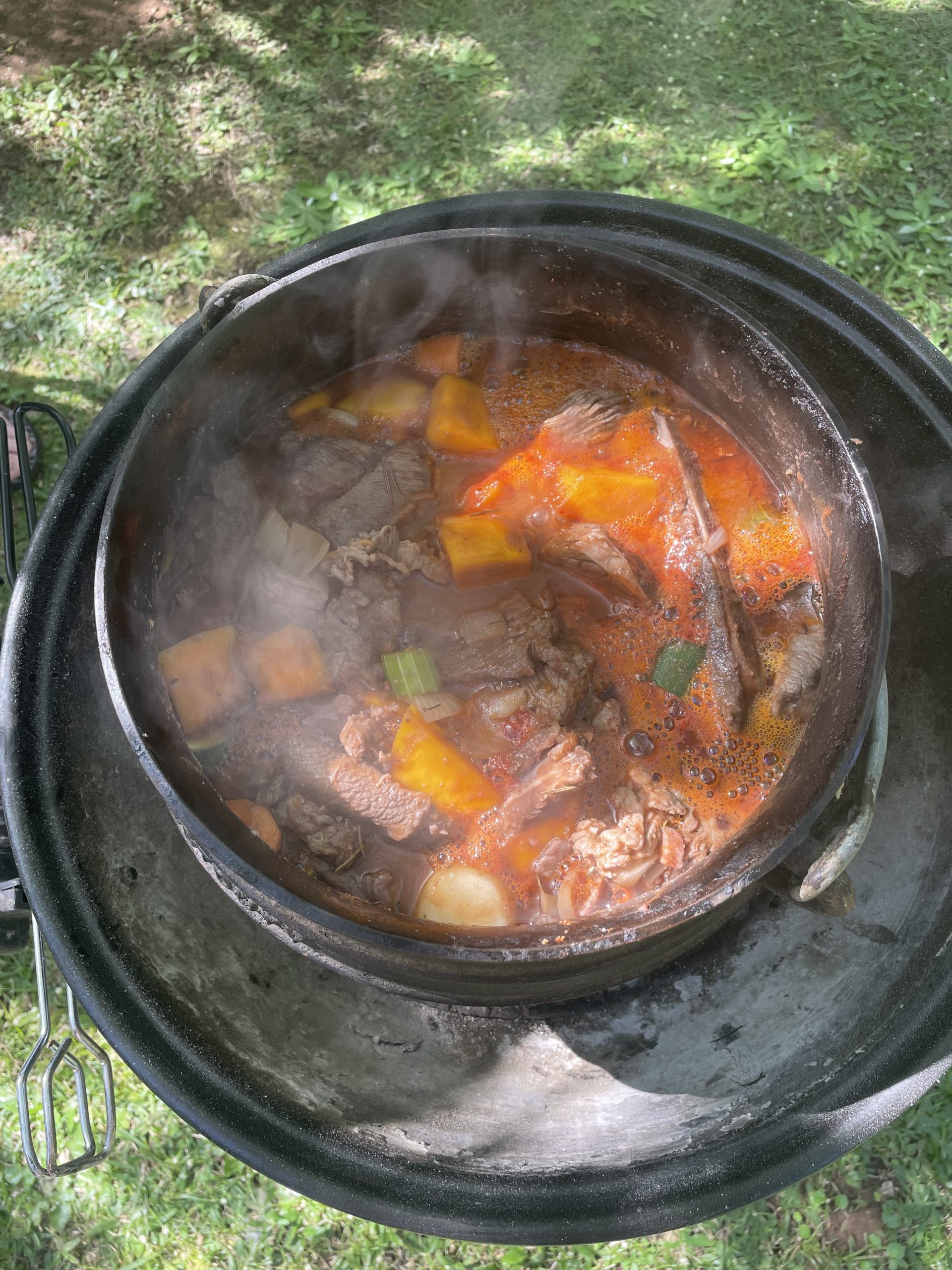
There is something magical about a perfect South African potjie simmering slowly over warm coals. The gentle bubbling, the rich aroma drifting through the garden and the anticipation of sharing a meal with family and friends create an experience that feels uniquely South African.
For me a potjie is never just about food. It is about connection. It is about slowing down long enough to enjoy conversations that would otherwise be rushed. It is about gathering around a fire while stories are shared and memories are made.
Some of my favourite afternoons have been spent tending a potjie while grandchildren played nearby, neighbours popped in for a chat and friends lingered long after the meal had finished. There is a reason why potjiekos remains such a beloved tradition across South Africa.
If you have ever wondered how some people consistently produce potjies that guests talk about for weeks afterwards, the secret is not expensive ingredients or fancy equipment. The real magic lies in patience, preparation and understanding a few simple principles.
Today I am sharing the secrets that have helped me host successful potjie gatherings that leave everyone asking for seconds.
Potjiekos has deep roots in South African history. Traditionally cooked in a cast iron pot over open coals, it was a practical way to prepare hearty meals while travelling or living in remote areas.
What makes potjiekos so different from an ordinary stew is the way it is cooked. Ingredients are layered rather than constantly stirred. The flavours develop slowly as each ingredient cooks in its own juices and absorbs the flavours of everything beneath it.
The result is a rich and deeply satisfying meal that feels comforting and special at the same time.
A potjie also encourages people to gather together. Unlike meals prepared indoors behind closed kitchen doors, the entire cooking process becomes part of the social occasion.
Guests naturally gravitate towards the fire. They peek under the lid, offer advice, share stories and enjoy the anticipation.
One of the first secrets to a successful potjie is selecting the right pot.
A good quality cast iron pot can last for generations when cared for properly.
For family gatherings, the size of the pot I choose depends very much on how many people I’m feeding:
Cast iron distributes heat beautifully and retains warmth for hours.
Before using a new pot it should be properly seasoned. This helps prevent sticking and improves flavour over time.
There is also something rather special about a well-used potjie pot. The more it is used and cared for, the more it becomes part of the family. A good pot can see birthdays, Sunday lunches, camping weekends and countless evenings around the fire. It isn’t just another piece of cooking equipment sitting in the cupboard. It becomes part of the memories made around it.
A well-loved potjie pot develops character. Some families pass them down through generations and each meal adds another layer to its story.
The best potjie hosts understand that preparation starts long before the fire is lit.
I always begin by deciding what type of potjie I want to make.
Popular options include:
For larger gatherings I tend to choose beef or lamb because they are crowd-pleasers and develop wonderful flavour during long cooking times.
Then there are the side dishes. I like to keep these fairly simple because, let’s be honest, the potjie is supposed to be the star of the show.
Some favourites include:
Keeping the sides simple allows the potjie to remain the star of the meal.
I also try not to give myself too much extra work on the day. If the potjie is going to be cooking for several hours, there is no reason for me to spend that same afternoon running around the kitchen trying to prepare a complicated collection of side dishes. A few simple things that can be prepared ahead of time, leave me free to enjoy the fire and my guests too.
Many people focus entirely on the ingredients when preparing a potjie, but one of the most important parts of the process is the fire itself. Getting the heat right makes a remarkable difference to how evenly the pot cooks and how much time you spend worrying about it.
The goal is steady and consistent heat rather than roaring flames.
I prefer using good-quality hardwood because it produces long-lasting coals and gives me much better control over the heat.
Once the wood has burned down, I move the coals beneath the pot as needed throughout the cooking process. The aim isn’t to have the biggest fire possible. In fact, a roaring fire can work against you by making the bottom of the pot too hot while the upper layers are still cooking.
One common mistake is allowing the pot to become too hot. Excessive heat can burn the ingredients at the bottom while leaving the upper layers undercooked. Gentle, consistent heat is what allows everything to cook slowly and develop those rich flavours that make potjiekos so memorable.
This is one of the things that makes potjiekos different from the sort of stew many of us are used to making. You don’t simply put everything into the pot and stir it together. The ingredients are carefully layered according to how long they need to cook and how much heat they can tolerate.
A typical beef potjie might be layered like this:
The ingredients nearest the bottom receive the most heat while those at the top cook more gently. This allows the different ingredients to cook at their own pace while absorbing all those wonderful flavours from the layers beneath them.
One of the greatest lessons potjiekos teaches us is patience. We live in a world where almost everything can be made faster, but a potjie rewards the opposite approach. Give it time and the ingredients have a chance to soften, flavours deepen and tougher cuts of meat become beautifully tender.
A proper potjie may take three to five hours to cook, depending on what you’re making and how much food is in the pot. That might sound like a long time when you’re used to getting dinner on the table quickly, but I think that’s part of what makes a potjie so enjoyable. The cooking becomes part of the occasion rather than something you are simply trying to get finished.
Whenever guests ask if they can turn up the heat to speed things along, I smile and politely decline. There is really no prize for getting the potjie onto the table half an hour earlier! The slow process is part of the magic.
The fire teaches us to slow down and the pot rewards us for doing so.
While I love the traditional way of making a potjie, there are a few ingredients I find myself reaching for again and again because they add that extra depth of flavour.
My favourites include beef stock, red wine, Worcestershire sauce, fresh rosemary, thyme, bay leaves, garlic, smoked paprika, tomato paste and mushrooms.
Fresh ingredients always make a noticeable difference.
Whenever possible I use seasonal vegetables sourced locally. There is something lovely about putting fresh, seasonal vegetables into a potjie and simply letting the fire do its work.
I don’t think you need an enormous list of fancy ingredients to make a memorable potjie either. Some of the best meals I’ve enjoyed around a fire have been made with fairly ordinary ingredients that were given plenty of time to cook properly. Good meat, fresh vegetables, a few well-chosen seasonings and a little patience can go a very long way.
This may sound simple but it is one of the most valuable pieces of advice I can offer.
Guests often become curious as delicious aromas fill the air, and before long someone will want to know how things are looking. I understand the temptation because even I sometimes want to have a little peek. But every time you lift the lid, heat and moisture escape and the cooking time increases.
A quick look now and then is perfectly acceptable, particularly if you’re checking the heat, but there is no need to keep lifting the lid simply because you are curious. Trust the process and let the pot do what it does best.
Of course the food matters, but so does the experience.
Some of the most memorable potjie gatherings I have hosted were not extravagant.
They simply felt welcoming.
A few thoughtful touches can transform an ordinary meal into something special.
I like to include:
None of these things need to be expensive or elaborate. A few cushions pulled outside, some blankets for when the evening gets cooler and a couple of lanterns can completely change the feeling of an outdoor space. Even flowers picked from the garden and placed in a simple jug can make the table feel special.
Guests remember how they felt far longer than they remember specific details about the menu.
Warm hospitality leaves a lasting impression.
I also like to think about the drinks before everyone arrives. There is something rather lovely about having a few choices ready while the potjie is slowly doing its thing.
Popular choices include:
During winter gatherings I often serve warm coffee after the meal while guests continue chatting around the remaining coals.
I also like having plenty of non-alcoholic choices available because not everyone wants a glass of wine or a beer. Sparkling water, homemade ginger beer, iced tea or fresh lemonade are easy to prepare and make everyone feel considered.
The atmosphere becomes wonderfully relaxed.
Even experienced cooks can make mistakes when preparing a potjie, especially when there are hungry guests standing around the fire offering their opinions!
Some of the most common include:
A potjie creates a surprising amount of its own moisture as the meat and vegetables cook. Adding too much stock, wine or water at the beginning can leave you with a watery dish and dilute all those lovely flavours you’ve spent hours developing.
It can be tempting to increase the heat when everyone is getting hungry, but high heat rarely improves a potjie. Slow, steady cooking gives the meat time to become tender and allows the flavours to develop properly.
Unlike a conventional stew, a traditional potjiekos is layered rather than constantly stirred. Too much stirring can break up the vegetables, disturb the layers and interfere with the way the ingredients cook. Once everything is in the pot, it really is better to leave it alone as much as possible.
How you prepare the ingredients before they go into the pot matters too. Vegetables cut into reasonably similar sizes will cook more evenly, while very small pieces may become soft long before larger pieces are ready. Taking a little time with the preparation makes the cooking process much easier later.
The fire deserves just as much attention as the ingredients. Too much heat can burn the food at the bottom of the pot, while too little heat can leave you waiting for hours. Keeping a steady bed of coals and adjusting them when necessary will give you much more consistent results.
One of my favourite hosting secrets has very little to do with cooking. People enjoy feeling included, and a potjie is wonderfully suited to that because the meal is already happening in the middle of everyone.
I don’t expect guests to arrive and immediately start working in the kitchen, but I do like giving people the opportunity to join in if they want to. Someone might help prepare the vegetables, another person may have a favourite recipe they’d like to share and somebody else might simply be the one who keeps the fire going while everyone chats.
These small contributions create a sense of participation that strengthens the experience.
A potjie becomes something everyone helped create together.
Some meals are quickly forgotten, but potjie gatherings seem to linger in people’s memories. Perhaps it is the fire, the anticipation of waiting for the lid to come off or simply the way everyone naturally gathers together while the food cooks. Whatever the reason, there is something deeply comforting about sharing food that has been prepared slowly and thoughtfully.
Many of my happiest memories involve sitting outdoors long after sunset while embers glow softly and conversations continue without anyone checking the time.
The potjie may be empty but the sense of connection remains. That is the true secret behind hosting a successful South African potjie.
Of course the food matters. The recipe matters and the ingredients matter too. But what people often remember most is the feeling of being welcomed, included and cared for.
A well-made potjie nourishes more than hunger.
It nourishes relationships, traditions and the simple joy of spending time together around a fire.
That is why this beloved South African tradition continues to bring people together generation after generation.
A South African potjie is a traditional meal cooked slowly in a three-legged cast iron pot over hot coals or an open fire. Unlike a stew, the ingredients are layered and left to cook gently without frequent stirring. This slow-cooking method allows the flavours to develop beautifully while keeping the vegetables and meat tender and full of character.
Although they use similar ingredients, potjiekos is prepared differently from a traditional stew. The ingredients are layered according to their cooking times and are generally not stirred during cooking. This allows each layer to maintain its texture while absorbing the rich flavours from the ingredients below. For me it is the outdoor entertaining that I love the most.
The size depends on how many people you usually cook for.
If you’re just starting out, a Number 3 potjie is a versatile choice for most families.
A traditional potjie usually takes between three and five hours to cook properly. The exact cooking time depends on the type of meat, the size of the pot and the consistency of the heat. One of the secrets to a delicious potjie is allowing it to cook slowly without rushing the process.
Traditional potjiekos should not be stirred continuously. Because the ingredients are layered, excessive stirring can break up the vegetables and interfere with the cooking process. If necessary, stir very gently near the end of the cooking time.
Hardwood is generally the best choice because it burns slowly and produces long-lasting coals. The goal is to create a steady bed of glowing coals rather than large flames. Consistent heat helps the potjie cook evenly and develop its rich flavour.
Yes. Many people successfully cook potjies using charcoal. The important thing is to maintain a steady, moderate heat throughout the cooking process. Avoid letting the pot become too hot, as this can burn the ingredients at the bottom.
One of the most common mistakes is adding too much liquid. The vegetables and meat naturally release moisture as they cook, so only a small amount of stock, wine or water is usually needed to get the cooking started.
Beef, lamb and oxtail are among the most popular choices because they become wonderfully tender during slow cooking. Chicken, venison, seafood and vegetarian potjies are also delicious options, depending on your taste and the occasion.
Simple side dishes allow the potjie to remain the star of the meal. Popular choices include fresh bread, potbrood, pap, rice, green salads, coleslaw, roasted vegetables and garlic rolls.
Before using a new cast iron potjie, wash it thoroughly, dry it completely and coat the inside with a thin layer of cooking oil. Heat the pot over a gentle fire or in the oven to allow the oil to bond with the surface. Repeating this process several times helps create a natural non-stick finish and protects the cast iron from rust.
Absolutely. Chopping vegetables, measuring seasonings and preparing the meat ahead of time makes hosting much more enjoyable. Once the fire is ready, you can simply layer the ingredients and spend more time relaxing with your guests.
Potjiekos pairs beautifully with South African red wines, craft beers, homemade ginger beer, sparkling water, iced tea or fresh lemonade. On cooler evenings, serving coffee or hot chocolate around the fire after the meal is a lovely way to end the gathering.
The best potjie gatherings are about much more than the food. Comfortable seating, warm blankets, soft lighting, good conversation and inviting guests to help prepare the meal all contribute to a relaxed and welcoming atmosphere. It’s these shared moments that people remember long after the last bowl has been enjoyed.
Absolutely. Potjiekos is surprisingly beginner-friendly once you understand the basics. Start with a simple recipe, keep the heat gentle, avoid lifting the lid too often and allow plenty of time for the flavours to develop. With a little patience, even your first potjie can be a delicious success.
If you’re putting together your first outdoor cooking kit or looking to upgrade a few well-loved favourites, these are some of the products I believe are worth investing in. From cast iron pots to lanterns and serving boards, each one helps make entertaining around the fire that little bit easier.
Some of the products I recommend on Rustic Daisy are linked to Amazon. These are affiliate links, which means that if you choose to purchase something through one of my links, I may receive a small commission at no additional cost to you. This helps support Rustic Daisy and allows me to continue creating useful content for you.
As an Amazon Associate I earn from qualifying purchases.
Amazon links can be useful for readers who already shop through Amazon in their own country. Unfortunately, there isn’t currently a South African Amazon shopping site, so international shipping charges, import duties or other fees may apply when ordering from Amazon.
These additional costs can sometimes make an otherwise reasonably priced product considerably more expensive, so please check the final price, delivery costs and any additional charges before placing your order.
I’m working on finding local alternatives! 🌿
Wherever I can find a good local alternative, I’ll share it with you so that South African readers have more affordable and practical options.
I only recommend products that I genuinely believe are useful, relevant and worth considering. I’m not here to fill my pages with links simply for the sake of earning a commission.
Thank you for supporting Rustic Daisy, whether you’re reading from South Africa or somewhere else in the world. Every visit, share, click and purchase helps my little corner of the internet continue to grow. 🌼
South African readers: your local alternatives are coming! 🇿🇦🌿
Cast iron potjie pot – This cast iron pot is perfect for cooking outdoors or over a fire. It’s durable and easy to clean.
Firewood rack – This firewood rack is perfect for easy access and storage of firewood.
Portable fire pit – This fire pit is perfect for outdoor fun! Compact, portable and great for any backyard gathering.
Enamel Dinner plates – These enameled dinner plates are stunning for outdoor meals!
Outdoor serving boards – These cutting boards are perfect for serving and cutting. Great for picnics or entertaining guests!
Cast iron Dutch oven pots – Perfect for bread, BBQ, or a campfire meal. The dual handles make it easy to use!
Cast iron cleaning kits – These are great tools to use on your cast iron cookware!
Heavy duty barbeque gloves – These gloves are perfect for keeping your hands safe while grilling! Heat resistant up to 1472°F.
Outdoor cooking tripods – Campfire tripod perfect for outdoor cooking!
Camping lanterns – Stunning to light up the seating area
Bluetooth speaker – This speaker is perfect for background music around the potjie.
Camping chairs – Great for outdoors, these chairs have a high weight capacity and padded seats!
If you enjoy cooking outdoors, gathering family and friends and making good food part of the occasion, you might also enjoy some of these other Rustic Daisy articles.