

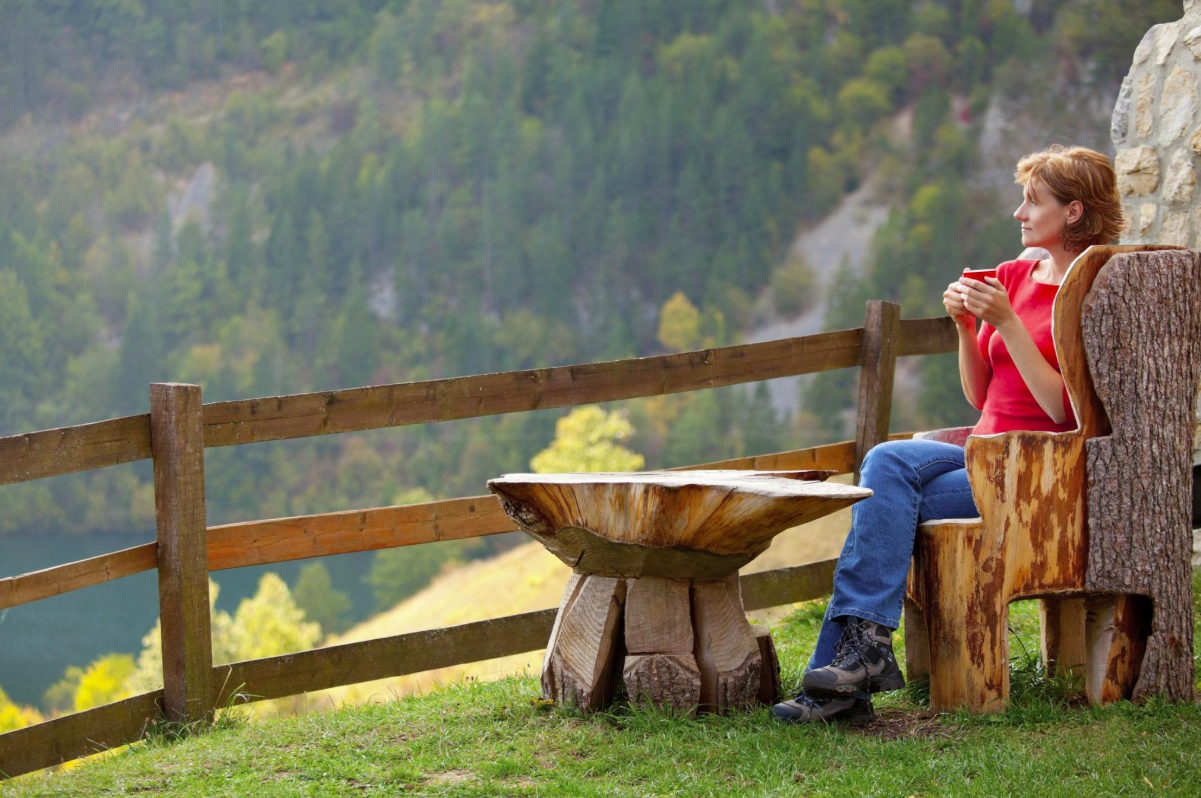
When people talk about surviving cancer, the conversation often focuses on the moment treatment ends. There is usually a sense of celebration, relief and the hope that life can finally return to normal.
But what happens after treatment isn’t always as simple as people imagine.
Having survived cancer myself, I know that finishing treatment can feel like reaching the end of one enormous chapter, whilst standing at the beginning of another. There can be relief and gratitude, but there can also be uncertainty, fear and a surprising number of emotions that you weren’t quite prepared for.
Your body may still be recovering. Your mind may still be processing what happened. Ordinary things can suddenly feel different and the future may not look quite the way you imagined it would before cancer entered your life.
Some of these changes are difficult. Others have been unexpected gifts. A few have simply made me look at everyday life differently.
In this first part of my reflections on life after cancer, I’m sharing twelve things I never expected after surviving cancer. They aren’t rules or advice for how anyone else should feel. Every cancer experience is different. These are simply the things that surprised me, challenged me and changed the way I see life after treatment.
You might imagine that finishing treatment would bring nothing but relief. And yes, there can be an enormous sense of relief when you finally reach that point. But there can also be a strange uncertainty about what happens next.
During treatment, there is often a structure to your days. There are appointments, scans, treatments and medical professionals keeping an eye on what is happening. Even when those days are difficult, you know what the next step is.
Then suddenly, that structure begins to disappear.
People around you may assume that you must be thrilled to be finished and, of course, you probably are. But emotionally, it can take much longer to catch up with what has happened. You have spent months, perhaps longer, concentrating on getting through treatment and suddenly you are expected to start finding your way back into ordinary life.
I found that the end of treatment wasn’t the neat ending I had imagined. It was more like the beginning of another stage of the journey.
Your body may still need time to recover and your mind may still be processing everything you have been through. There can be relief, gratitude, tiredness, fear and even a strange sense of loss all mixed together.
Finishing treatment is something to celebrate, but it doesn’t mean you have to feel completely fine afterwards. There is no deadline for feeling like yourself again.
One of the things I never expected after surviving cancer was how easily the fear of it returning could creep back into ordinary life.
A headache, a cough, an unfamiliar ache or a change in your body can sometimes make your mind jump to the worst possible conclusion. You may know perfectly well that there could be many ordinary explanations, but once you’ve experienced cancer, it can be difficult not to wonder whether something more serious is happening.
For me, that fear isn’t necessarily there every minute of every day. It can simply sit quietly in the background and make itself known when something reminds you of what you’ve been through.
And then there are the follow-up appointments and scans. Even when everything has been going well, waiting for results can bring back feelings you thought you had left behind.
I don’t think this means you’re being negative or failing to move on. You’ve experienced something frightening, and your mind may naturally become more alert to anything that reminds you of it.
Learning to live with that uncertainty can take time. Some days you may barely think about cancer at all. On other days, a small symptom or an upcoming appointment can bring those old fears rushing back.
I’ve learned that I don’t have to be ashamed of those moments. I can acknowledge the fear without allowing it to take over the whole day.
One of the things I didn’t fully appreciate before cancer was just how much treatment could change the relationship you have with your own body.
Sometimes the changes are obvious. There may be scars, changes in weight, hair loss or other physical reminders of what you’ve been through. Other changes can be much harder to explain. You may notice that you tire more easily, that certain things don’t feel quite the same or that your body simply doesn’t respond in the way you remember it doing before treatment.
For some people, these changes gradually improve with time. For others, certain effects may continue long after treatment has finished. There isn’t one recovery timeline that applies to everyone.
I think this can be surprisingly difficult emotionally because finishing treatment doesn’t necessarily mean feeling completely comfortable in your body again. You may look in the mirror and see someone who appears perfectly well while knowing that things inside you have changed.
There can also be a period of learning to trust your body again. Every little ache can make you wonder whether something is wrong, while tiredness can leave you questioning whether you’re recovering normally.
I’ve had to learn to be more patient with myself. My body went through something enormous and expecting it to simply bounce back because treatment had ended wasn’t particularly realistic.
Recovery can take time, and sometimes part of surviving cancer is learning to accept that your body may have changed while still appreciating everything it has carried you through.
One of the changes I noticed after cancer was that some of the things that used to bother me simply didn’t seem quite so important anymore.
A traffic jam can still be irritating and there will always be someone who annoys you, but I find myself asking whether something is really worth allowing it to spoil my day.
Cancer has a way of putting everyday frustrations into perspective. When you’ve spent time worrying about things that genuinely mattered, minor inconveniences can start to feel much smaller.
It doesn’t mean I’ve become endlessly patient or that nothing gets under my skin. I’m still human. There are still days when something completely insignificant can irritate me far more than it deserves to.
But I think I’m quicker now to recognise when I’m wasting precious energy on something that won’t matter tomorrow.
I’ve become more protective of my peace and more selective about the things I allow to occupy my thoughts. Sometimes the best response to a frustrating situation is simply to let it go and get on with enjoying the rest of your day.
Perhaps that’s one of the quieter lessons of surviving something difficult. You begin to understand that not everything deserves your attention.
One of the things I didn’t expect after treatment was how much anxiety could still surround follow-up appointments.
There is even a word for that particular feeling — “scanxiety” — and I can certainly understand why it has become part of the language around cancer survivorship.
You may feel perfectly well and still find yourself becoming anxious as an appointment gets closer. Waiting for a scan, sitting in a doctor’s waiting room or simply knowing that results are coming can bring back memories of the uncertainty you experienced during treatment.
Sometimes the hardest part is the waiting. Your mind can start imagining all sorts of possibilities before you have any actual information to work with.
I’ve learned that I can’t always stop those thoughts from appearing, but I can try not to let them take over every day leading up to an appointment.
And when the appointment is over and everything is reassuring, there can be an enormous sense of relief. For a little while, you can breathe again and get back to ordinary life.
I think this is one of the less visible parts of surviving cancer. From the outside, you may look completely healthy and be getting on with your life, while inside you are quietly carrying the memories of everything you’ve already been through.
Follow-up appointments are part of life after cancer, but that doesn’t mean you have to pretend they aren’t frightening sometimes.
Before cancer, I think it is easy to imagine that there will always be more time. More time to take the trip, start the project, visit someone you love or simply enjoy an ordinary afternoon without rushing through it.
Surviving cancer changed the way I think about time.
I became much more aware that our days are not something we can put aside indefinitely. That doesn’t mean I suddenly became wonderfully organised or started making every minute count. Quite the opposite, really. Sometimes I simply became more aware of how lovely it is to have an ordinary day.
A cup of coffee in the garden. A conversation that carries on longer than expected. Watching the sunset. Spending time with people I love without feeling that I need to be somewhere else.
There are still things I want to achieve and places I would love to visit, but I don’t feel quite the same pressure to measure the value of a day by how much I managed to accomplish.
Cancer reminded me that time isn’t only about what we achieve with it. Sometimes the most valuable parts of a day are the moments that appear to be doing absolutely nothing at all.
Perhaps that is one of the unexpected gifts of surviving something difficult. You begin to notice the time you are actually living, rather than constantly waiting for the next thing to happen.
One of the more complicated things I didn’t expect after cancer was the feeling that I was supposed to be grateful all the time.
And I was grateful. Of course I was.
Being given the opportunity to move forward after cancer is something I don’t take for granted. But gratitude doesn’t mean that every day feels wonderful or that difficult emotions suddenly disappear.
You can be incredibly grateful to be alive and still have days when you are frightened, frustrated, exhausted or simply fed up. You can appreciate your life and still miss the person you were before cancer. You can celebrate finishing treatment and still struggle with what came afterwards.
I think there can sometimes be an unspoken expectation that surviving cancer should leave you permanently positive. As though once you’ve been given the all-clear, you should be smiling, making the most of every moment and feeling thankful for everything.
Real life isn’t quite that tidy.
Some days I feel incredibly lucky. Other days I simply feel tired. Sometimes I want to make the most of every opportunity and sometimes I want to stay home, put my feet up and do absolutely nothing.
I’ve learned that I don’t have to turn every difficult feeling into a positive lesson. Sometimes a difficult day is simply a difficult day.
Gratitude and difficult emotions can exist side by side. Being thankful for your life doesn’t mean you have to pretend that the journey hasn’t been hard.
I think one of the biggest surprises after treatment was discovering that recovery doesn’t happen in a neat, straight line.
You might have a wonderful week when you feel stronger, more energetic and ready to get on with life. Then suddenly you have a day when you’re exhausted or emotionally drained and wonder why you don’t feel as well as you did a few days before.
It can be confusing because you may think that once treatment has finished, you should simply keep getting better. But healing doesn’t always work that way. There can be good days and difficult days, progress followed by a little setback and periods when you feel as though you’re finally finding your feet again.
I’ve learned not to judge myself too harshly on the days when I don’t feel as strong as I would like. One difficult day doesn’t erase all the progress that came before it. Sometimes you need to rest. Sometimes you need to change your plans. Sometimes you simply need to accept that today isn’t going to be your best day and try again tomorrow.
I think there is a lot of pressure to believe that recovery should have a clear beginning, middle and end. In reality, finding your way forward can be much more gradual.
You don’t have to be moving forward at exactly the same pace every day. Sometimes getting through the day is progress too.
I didn’t expect cancer to make me question parts of my identity that I had never really thought about before. Before cancer, you may have had a fairly clear idea of who you were. You had your routines, your work, your family responsibilities, your plans and all the little things that made up your ordinary life.
Treatment can interrupt all of that.
You may not be able to work in the same way for a while. You may need help with things you were previously able to do yourself. Your appearance may change and your relationship with your body may feel different. Plans that once seemed certain may suddenly need to be reconsidered.
Even the way other people see you can change. Someone who once knew you as the person who was always busy and capable may suddenly treat you as though you are fragile. It can be strange when people are still seeing the illness while you are trying to find your way back to yourself.
I think there can also be a temptation to divide life into “before cancer” and “after cancer”. Sometimes that is useful, but I don’t want to believe that everything about the person I was before has disappeared. I am still me. I’ve simply experienced something that changed me.
Perhaps part of recovery is working out which parts of your old life you want to return to, which things no longer matter quite so much, and what you would like this next chapter to look like.
There isn’t necessarily one moment when you suddenly feel like yourself again. Sometimes you gradually discover that you are building a version of yourself that feels familiar and new at the same time.
One of the unexpected things I noticed after cancer was how much more I appreciated ordinary days. Before my diagnosis, I probably wouldn’t have thought twice about sitting outside with a cup of coffee, having dinner with my family or watching the sun go down.
Now those moments can feel surprisingly precious.
It isn’t that every ordinary moment suddenly becomes magical. Life is still life, and there are still chores to do, bills to pay and days when I’m far too busy to stop and admire anything. But I notice the simple things more than I used to.
A quiet morning, a good conversation, laughing about something completely silly or having nowhere I need to be can all feel like little gifts. They aren’t spectacular moments, but perhaps that’s exactly why they matter.
Cancer made me realise that a meaningful life isn’t necessarily made up of huge experiences. So much of it is found in the ordinary days that we once hurried through without really noticing.
I don’t want to spend my life waiting for something exciting to happen before I allow myself to enjoy it. Sometimes there is something very lovely about an entirely ordinary day.
One of the things I didn’t expect was that life could sometimes feel lonelier after treatment than it did during it. While you are going through treatment, there can be a constant stream of appointments, conversations and people asking how you are doing. Then treatment finishes and everyone quite naturally starts trying to get back to ordinary life.
But you may not feel quite ready to do that.
The people around you might see the end of treatment as a wonderful milestone, while you are still trying to process everything that has happened. You may look well on the outside and still be carrying fears, memories and emotions that are difficult to explain to someone who hasn’t experienced them.
There can also be a strange sense of losing the support system that surrounded you during treatment. The medical team who became familiar faces may no longer be part of your everyday life, while friends and family may assume that because treatment is over, you must be feeling much better.
Sometimes what you need isn’t someone to fix anything. You simply need someone who understands that surviving cancer doesn’t necessarily mean you have stopped needing support.
For me, I think there is something comforting about being able to talk honestly with people who don’t expect you to have everything figured out. Whether that is a friend, family member, support group or someone who has walked a similar path, having somewhere to put those feelings can make the journey feel a little less lonely.
You can be surrounded by people who love you and still experience loneliness after cancer. The two things can exist at the same time.
Another thing I didn’t expect after cancer was how much my priorities would shift. Things that once seemed terribly important can suddenly feel much less significant, while people, experiences and moments that I may have taken for granted can become far more meaningful.
That doesn’t mean everything in my life changed overnight. I still have responsibilities, worries and ordinary things that need to be dealt with. But I became more aware of where I was spending my time and energy and whether those things were actually important to me.
I think surviving cancer can make you question some of the choices you once made automatically. Perhaps you start thinking differently about work, relationships, how you spend your weekends or the things you’ve always told yourself you would do one day.
For me, it has been less about making dramatic changes and more about becoming a little more intentional. I don’t want to spend quite so much of my life worrying about things that won’t matter in the long run.
Sometimes changing your priorities simply means recognising what you value and making a little more room for it. And sometimes it means giving yourself permission to let go of things that no longer deserve quite so much of your time.
I think one of the hardest things about surviving cancer is realising that finishing treatment doesn’t necessarily mean you have finished dealing with everything cancer brought into your life.
There can be relief, gratitude and happiness, but there can also be fear, tiredness, uncertainty and days when you simply don’t feel like the person everyone expects you to be. I’ve learned that all of those feelings can exist together.
For me, life after cancer has been less about returning to exactly who I was before and more about finding my way forward from where I am now. Some things have changed physically and emotionally, while other things have become clearer than they ever were before.
I have also learned to appreciate the ordinary parts of life more. A quiet day, time with people I love, a good laugh or simply waking up feeling well can mean far more to me than I once realised.
If you are also finding your way through life after cancer, I hope you will give yourself permission to take it at your own pace. You don’t have to feel grateful every minute, you don’t have to be positive every day and you certainly don’t have to pretend that everything is easy simply because treatment has ended.
Surviving cancer is a huge thing. Finding your way afterwards is another journey altogether.
And perhaps the most important thing I’ve learned is that there is no single, right way to live that journey.
Yes. Many people find that life after treatment feels different from what they expected. Physical recovery, emotional changes, worries about recurrence and adjusting to ordinary life can all take time. There is no single way to feel after cancer and everyone’s experience is different.
Finishing treatment can bring relief, but it can also leave you with uncertainty about what happens next. Follow-up appointments, scans or an unfamiliar symptom can sometimes bring fears about recurrence back to the surface. If anxiety is becoming difficult to manage, it is worth talking to your doctor or another healthcare professional about the support available to you.
Follow-up appointments can bring back memories of the uncertainty you experienced during treatment. Even when things have been going well, waiting for an appointment or results can be stressful. Many people find that acknowledging those feelings rather than judging themselves for having them makes them easier to manage.
For many people, yes. The end of treatment doesn’t necessarily mean that every physical or emotional effect disappears immediately. Recovery can take time and may not happen in a straight line, which is one of the reasons it can be helpful to give yourself patience rather than expecting to feel completely back to normal straight away.
A serious illness can change the way you look at everyday life. Some people find themselves paying more attention to ordinary moments, relationships and experiences that they may previously have taken for granted. This doesn’t mean every day suddenly feels special, but it can change what you notice and appreciate.
No. Being grateful to have survived and experiencing difficult emotions are not mutually exclusive. You can feel thankful, frightened, frustrated, tired or sad at different times, and none of those feelings make you less grateful for being here.
It can take time to adjust to changes in your body, routines, priorities and outlook after cancer. You don’t necessarily have to become exactly the person you were before. For some people, moving forward involves gradually working out what matters now and finding a sense of identity that feels comfortable again.
There are times when a small, practical comfort can make an ordinary day a little easier. These are a few things I think are worth considering — not because anyone needs them to recover from cancer, but simply because they may be useful during the quieter parts of life after treatment.
A daily gratitude journal
For someone who enjoys writing, a simple journal can provide a private place to record thoughts, worries, small victories or the ordinary things that made a day feel good.
An adult colouring book
Sometimes having something completely unrelated to cancer to focus on can be a welcome distraction. Colouring can be a quiet activity for days when you simply want to sit and do something with your hands.
Colouring pens
If you’re going to enjoy a colouring book, you need something to colour with. A good set of pens makes a simple activity feel a little more enjoyable.
A stainless steel insulated water bottle
Having a bottle of water nearby is one of those very ordinary practical things that can be useful at home or when you’re heading out for appointments or follow-up visits.
A memory foam travel pillow
A comfortable pillow can be useful when travelling, sitting for longer periods or simply trying to get comfortable when you’re resting at home.
A Kindle Paperwhite
For someone who enjoys reading, an e-reader can be a lovely way to carry books with you without filling the bedside table with them. It can also be useful when you’re travelling or simply want to settle down with a good book.
A lap desk
A lap desk can be useful for reading, writing, using a tablet or working on a small project from a comfortable chair or bed. Sometimes having a simple surface nearby makes it easier to do the things you enjoy.
Some of the products I recommend on Rustic Daisy are linked to Amazon. These are affiliate links, which means that if you choose to purchase something through one of my links, I may receive a small commission at no additional cost to you. This helps support Rustic Daisy and allows me to continue creating useful content for you.
As an Amazon Associate I earn from qualifying purchases.
Amazon links can be useful for readers who already shop through Amazon in their own country. Unfortunately, there isn’t currently a South African Amazon shopping site, so international shipping charges, import duties or other fees may apply when ordering from Amazon.
These additional costs can sometimes make an otherwise reasonably priced product considerably more expensive, so please check the final price, delivery costs and any additional charges before placing your order.
I’m working on finding local alternatives!
I’m making a real effort to find similar products that are available right here in South Africa. Wherever I can find a good local alternative, I’ll share it with you so that South African readers have more affordable and practical options.
I only recommend products that I genuinely believe are useful, relevant and worth considering. I’m not here to fill my pages with links simply for the sake of earning a commission.
Thank you for supporting Rustic Daisy, whether you’re reading from South Africa or somewhere else in the world. Every visit, share, click and purchase helps my little corner of the internet continue to grow.
South African readers: your local alternatives are coming! 🇿🇦🌿
If you’re finding your way through life after cancer, you may also find these articles helpful:
If you’ve been through cancer yourself, I hope you know that there is no particular way you are supposed to feel now that treatment has ended. Take your time, be gentle with yourself and allow life to unfold at its own pace.
With love,