

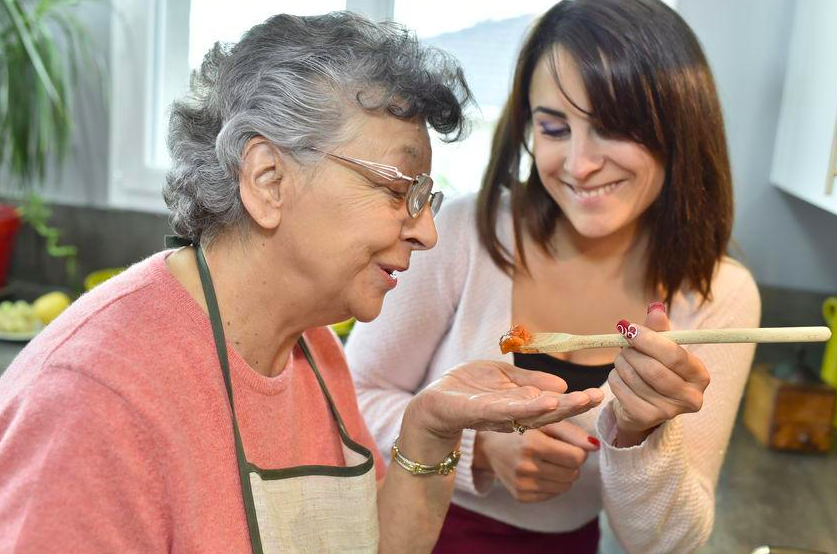
There comes a point in many of our lives when the roles begin to shift. The people who once cooked our meals, packed our lunches and made sure we were cared for gradually start needing a little more support themselves.
Cooking for elderly parents is about far more than putting food on a plate. It becomes an act of love, a way of preserving dignity and often a practical solution to challenges that come with ageing. Whether it is managing health conditions, reduced appetites, difficulty chewing or simply a lack of energy to cook, food plays a vital role in maintaining both physical health and emotional wellbeing.
As someone who has spent time preparing meals for ageing loved ones, the lessons I’ve learned have very little to do with fancy recipes. Instead they revolve around patience, flexibility, understanding and finding ways to make meals enjoyable again.
If you are caring for elderly parents or helping an older relative with meals, these are some of the most valuable lessons I have learned along the way.
When we think about healthy eating for older adults, it is easy to focus entirely on nutritional needs. Protein, fibre, vitamins and hydration all matter enormously.
What is very important to note is that comfort and familiarity matter too.
Many elderly people have spent decades eating certain foods. Family favourites often carry powerful memories of childhood, marriage, raising children and special occasions. Serving familiar meals can bring a sense of security and happiness that newer or trendier recipes simply cannot provide.
I found that simple dishes often brought the greatest pleasure. A bowl of homemade soup, a traditional cottage pie or a favourite pudding could brighten an entire day.
Healthy eating matters, but emotional nourishment matters too.
One of the first things I noticed was that appetite changes with age.
Many older adults simply do not eat as much as they once did. Large portions can feel overwhelming and may discourage eating altogether.
Smaller portions served attractively on a plate often feel far more manageable. If someone finishes their meal and wants more, a second helping can always be offered.
This approach reduces food waste and removes pressure from mealtimes.
A smaller meal enjoyed fully is usually better than a large meal left untouched.
Maintaining muscle strength becomes more challenging as we age. Protein plays a critical role in supporting mobility, balance and overall health.
I learned to include protein wherever possible without making meals feel clinical or restrictive.
Some practical options include:
Even simple additions can make a meaningful difference over time. Rather than focusing on strict dietary rules, I looked for easy ways to boost nutritional value within familiar meals.
Many elderly people experience challenges with chewing or swallowing. Tough meats, crusty bread and raw vegetables may become difficult or uncomfortable to eat. This does not mean meals have to become bland.
Slow-cooked casseroles, soups, stews, mashed vegetables and tender fish can provide excellent nutrition while remaining easy to eat. Texture often becomes just as important as flavour.
Learning to adapt favourite recipes rather than replacing them entirely helped preserve both enjoyment and independence.
One lesson that caught me by surprise was how easy it is for elderly people to become dehydrated. As we age, our sense of thirst can diminish. Some people simply forget to drink enough fluids throughout the day.
Dehydration can contribute to fatigue, confusion, dizziness and other health concerns. I found that offering fluids in different forms helped enormously.
Good options include:
Having drinks easily accessible throughout the day often encouraged better hydration than repeatedly asking if they wanted a glass of water.
There is a common misconception that older people do not care what food looks like. My experience has been the exact opposite. A colourful plate with appealing presentation creates anticipation and enjoyment. Even when serving softer foods, a little attention to appearance can make a significant difference.
Fresh herbs, colourful vegetables and attractive serving dishes help make meals feel special rather than medical. Nobody wants to feel as though they are eating because they have to. Everyone deserves food that looks inviting.
Sometimes the meal itself is only part of the experience. Many elderly people spend long periods alone. Mealtimes can become one of the highlights of the day. Sharing a cup of tea, sitting together for lunch or enjoying a relaxed dinner often provides emotional benefits that extend well beyond nutrition.
Some of the most meaningful conversations I have had with older relatives happened around the kitchen table. Food has a remarkable way of bringing people together.
Many older adults appreciate predictability. A regular meal schedule can reduce anxiety and make daily life feel more manageable.
Knowing breakfast will be served at a certain time and dinner at another creates structure and stability. This becomes especially helpful during periods when health concerns and memory issues create uncertainty in areas of their lives.
Simple routines often provide reassurance.
Many elderly parents manage conditions such as high blood pressure, diabetes, heart disease or high cholesterol. Cooking with these needs in mind requires balance.
I quickly discovered that meals do not have to feel restrictive in order to be healthier. Using herbs instead of excessive salt, incorporating more vegetables and choosing healthier cooking methods can support wellbeing without sacrificing flavour.
Whenever dietary restrictions are involved, it is wise to follow guidance from healthcare professionals and registered dietitians. Personalised advice will always be more valuable than generic internet recommendations.
One strategy that transformed my experience was batch cooking.
Preparing larger quantities and freezing portions meant nutritious meals were always available on busy days. This reduced stress significantly and helped ensure consistent meal quality.
Some excellent freezer-friendly options include:
Having ready-made meals available provides peace of mind for both caregivers and elderly parents.
One of the hardest things I learnt was resisting the urge to do everything myself.
Many older adults still want to participate in meal preparation. Even small tasks such as washing vegetables, stirring ingredients or setting the table can help preserve confidence and independence.
Maintaining a sense of purpose remains important throughout life. Whenever it was safe and practical, involving my loved ones in the cooking process created moments of connection and achievement for them.
Healthy eating matters but so does enjoyment.
There is room for birthday cake, favourite biscuits and cherished family recipes. Food should continue to bring pleasure.
An entirely restrictive approach often creates frustration and reduces quality of life. Balance tends to be far more sustainable than perfection.
The occasional treat shared with loved ones often becomes a treasured memory.
I learned that purchasing food in smaller quantities often made more sense. Unless you are planning to freeze portions for later use, large family-sized packs can lead to waste when cooking for one or two people.
Smaller portions of fresh produce and proteins help maintain quality while reducing unnecessary expense. Keeping a well-stocked freezer also allows greater flexibility.
Thoughtful shopping makes meal preparation easier and more economical.
There is no universal meal plan that works for every elderly parent. Preferences, health conditions and personal histories all shape the relationship people have with food.
The most effective approach is one built on observation and communication. What works beautifully for one individual may not suit another at all so remaining flexible allows one to adapt as needs change.
When I think back on the meals I have prepared for elderly loved ones, I rarely remember exact recipes. What stays with me are the conversations, the stories shared across the table and the quiet moments of connection.
Cooking became a way of expressing care without needing many words.
A bowl of soup on a cold day. A favourite pudding served after a difficult appointment. A family recipe recreated from memory. These simple acts remind people that they are valued, remembered and loved.
That may be the most nourishing ingredient of all.